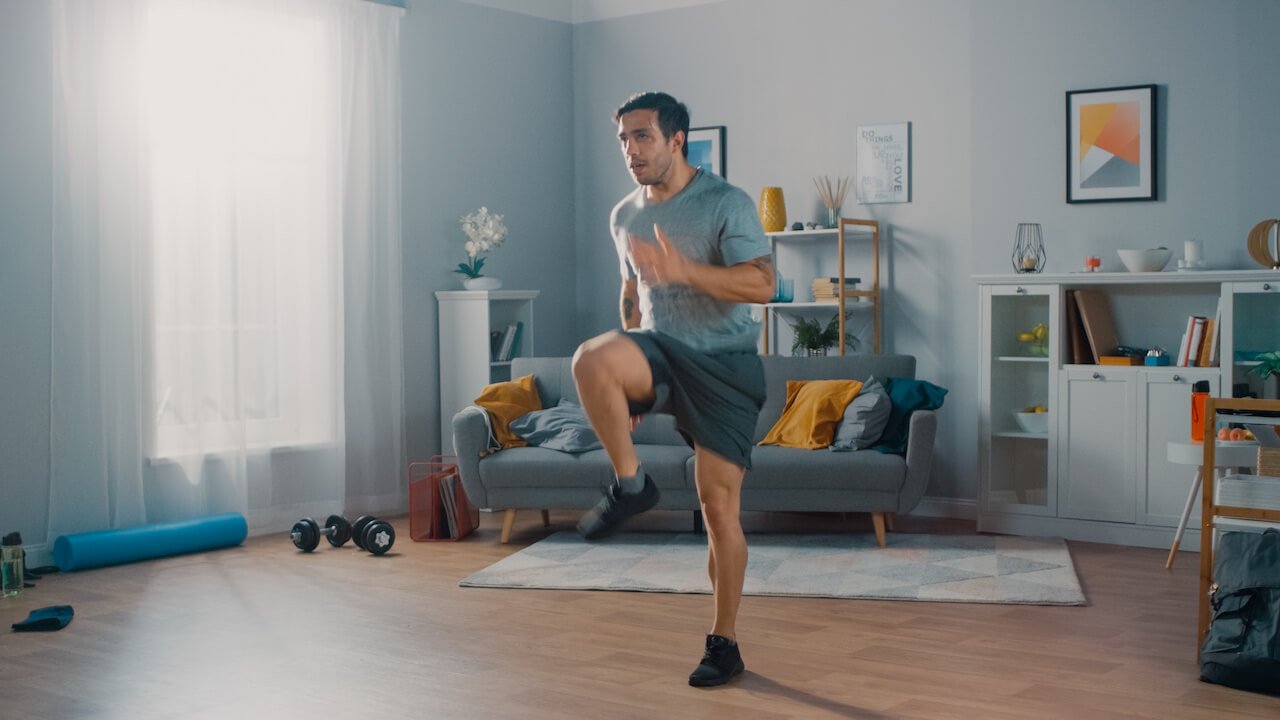
I remember a time when my days blurred into endless hours at a desk, staring at screens until my back ached and my energy tanked. It wasn’t until a friend dragged me on a simple hike that I realized how much I was missing out on the buzz of moving my body. That spark turned into a habit, and suddenly, life felt sharper, more vibrant. If you’re stuck in a rut like I was, incorporating a few key activities can shift everything. Leading a more active lifestyle isn’t about grueling gym sessions—it’s about weaving movement into your routine in ways that feel natural and fun. This guide dives into five straightforward activities that can help you build momentum, boost your health, and rediscover that inner pep.
Benefits of an Active Lifestyle
Getting active does wonders beyond just toning up. It sharpens your mind, lifts your mood, and even strengthens your immune system, making everyday challenges feel less daunting. Studies from places like the American Heart Association show that regular movement cuts risks of heart disease and diabetes while improving sleep quality. Plus, it fosters a sense of accomplishment—who doesn’t love that endorphin rush after a good sweat? Embracing this path can transform how you feel in your own skin, turning small steps into lasting vitality.
What Is an Active Lifestyle?
An active lifestyle means prioritizing movement in your daily grind, not necessarily training like an athlete. It’s about swapping sedentary habits for ones that get your heart pumping, like choosing stairs over elevators or biking to the store. This approach combats the pitfalls of sitting too much, which can lead to weight gain and low energy. Essentially, it’s a mindset shift toward enjoying physicality, making health a seamless part of who you are.
Choosing the Right Activities for You
Not every activity suits everyone, so think about your fitness level, interests, and schedule when picking ones to try. If you’re new to this, start with low-impact options that build confidence without overwhelming you. Factors like weather, location, and even your social circle can influence what sticks—maybe team up with a buddy for accountability. The key is consistency; even short bursts add up to big changes over time.
Activity 1: Brisk Walking
Brisk walking is that underrated gem that fits into almost any day without fancy equipment. Picture striding through your neighborhood, feeling the fresh air wake you up—it’s simple yet powerful for heart health and stress relief. I started with just 15 minutes after dinner, and it quickly became my go-to for clearing my head. This activity burns calories steadily while being gentle on joints, making it ideal for beginners or those easing back into motion.
Pros and Cons of Brisk Walking
Pros:
- Accessible anywhere, anytime—no gym membership needed.
- Improves cardiovascular health and boosts mental clarity.
- Low risk of injury compared to high-impact sports.
- Easy to track progress with apps or a simple pedometer.
Cons:
- Can feel monotonous if you don’t vary routes.
- Weather-dependent for outdoor walks.
- May not build muscle as effectively as strength training.
How to Get Started with Walking
- Set a realistic goal, like 10,000 steps daily, and build from there.
- Invest in comfortable shoes to prevent blisters—brands like Brooks or New Balance offer great support.
- Mix it up with podcasts or music to keep things engaging.
- Join a local walking group via apps like Meetup for motivation.
Where to Find Great Walking Trails
Head to national parks or urban paths listed on sites like AllTrails for scenic routes near you. Local community centers often have mapped loops, or check out apps that highlight pet-friendly trails. For city dwellers, explore pedestrian-friendly areas in places like Central Park in New York or the Embarcadero in San Francisco.
Best Gear for Walking Enthusiasts
Look for moisture-wicking socks from Bombas to keep feet dry during longer treks. A fitness tracker like the Fitbit Charge can monitor your pace and heart rate affordably. For all-weather walks, grab a lightweight jacket from Patagonia—durable and breathable for under $100.
Activity 2: Cycling
Cycling turns errands into adventures, pedaling through paths that make you forget you’re exercising. It’s a fantastic way to explore your surroundings while toning legs and improving endurance. Back when I borrowed a bike for a weekend ride, I was hooked by how freeing it felt, zipping past traffic with the wind in my face. This activity enhances lung capacity and can even reduce commute times, blending fun with practicality.
Pros and Cons of Cycling
Pros:
- Great for cardiovascular fitness and lower-body strength.
- Eco-friendly alternative to driving, saving on gas.
- Social potential—join cycling clubs for group rides.
- Versatile for all ages with options like e-bikes for hills.
Cons:
- Initial cost for a bike and helmet can add up.
- Safety concerns in busy traffic areas.
- Requires maintenance like tire checks.
How to Get Started with Cycling
- Begin with short, flat routes to build stamina.
- Rent a bike from services like Citi Bike to test the waters.
- Learn basic repairs through YouTube tutorials for self-reliance.
- Track rides with apps like Strava to see improvements.
Where to Rent or Buy Bikes
Local shops like REI offer rentals and expert advice on fits. Online, sites like Trek Bikes provide nationwide shipping with assembly options. Community bike shares in cities like Boston or Seattle make it easy to hop on without ownership.
Best Tools for Safe Cycling
A sturdy helmet from Bell protects without breaking the bank. Lights and reflectors from brands like Cygolite ensure visibility at dusk. For tracking, the Garmin Edge series offers GPS mapping for serious riders.
Activity 3: Swimming
Dipping into swimming feels like a full-body reset, gliding through water that supports you while working every muscle. It’s perfect for those hot days when other exercises feel too sweaty. I took lessons as an adult and discovered how meditative laps can be, washing away the day’s worries. This low-impact activity builds strength and flexibility, ideal for joint issues or recovery.
Pros and Cons of Swimming
Pros:
- Works all major muscle groups without joint stress.
- Excellent for cooling down and relaxation.
- Improves breathing techniques and endurance.
- Suitable for all fitness levels with adjustable intensities.
Cons:
- Access to pools can be limited or costly.
- Learning proper form takes time to avoid inefficiency.
- Chlorine exposure might irritate skin or hair.
How to Get Started with Swimming
- Sign up for beginner classes at your local YMCA.
- Focus on freestyle strokes first for basics.
- Use flotation aids like kickboards to build confidence.
- Aim for 20-30 minute sessions thrice weekly.
Where to Find Public Pools
Community centers and universities often open pools to the public—check USA Swimming’s directory. Apps like Swimply let you rent private pools hourly. In warmer climates, natural spots like lakes offer free alternatives.
Best Gear for Swimming
Goggles from Speedo prevent eye irritation and fogging. A swim cap like the TYR silicone one protects hair from chemicals. For laps, the Arena pull buoy aids in technique drills.
Activity 4: Yoga
Yoga invites you to slow down and connect breath with movement, creating a calm strength from within. It’s more than poses—it’s a practice that enhances balance and mindfulness. When I unrolled my mat for the first time, I laughed at my wobbly tree pose, but soon it became my anchor for busy weeks. This activity reduces stress hormones while improving posture and core stability.
Pros and Cons of Yoga
Pros:
- Boosts flexibility and mental well-being.
- Can be done at home with minimal space.
- Variety of styles from gentle to vigorous.
- Builds community through classes or online groups.
Cons:
- Risk of strain if poses are forced.
- Progress can feel slow for impatient types.
- Mats and classes add minor costs.
How to Get Started with Yoga
- Follow free YouTube channels like Yoga with Adriene.
- Start with 10-minute sessions to avoid overwhelm.
- Listen to your body and modify as needed.
- Incorporate breathing exercises for quick wins.
Where to Attend Yoga Classes
Studios like CorePower Yoga offer in-person and virtual options nationwide. Apps such as Down Dog provide personalized flows at home. Community parks host free sessions in summer—search local event listings.
Best Tools for Yoga Practice
A non-slip mat from Manduka ensures stability during poses. Blocks like those from Gaiam help with modifications. For guidance, the Alo Moves app delivers expert-led classes.
Activity 5: Hiking
Hiking pulls you into nature’s embrace, challenging your legs while rewarding with stunning views. It’s an escape that combines cardio with exploration. My first real hike left me breathless—in the best way—realizing how trails can reset your perspective. This activity sharpens focus and builds resilience, perfect for mental and physical tune-ups.
Pros and Cons of Hiking
Pros:
- Immersive in nature, reducing anxiety.
- Varies in difficulty for progressive challenges.
- Social or solo—great for groups or reflection.
- Enhances overall endurance and balance.
Cons:
- Terrain can be unpredictable, risking twists.
- Requires planning for weather and trails.
- Gear like boots adds to upfront costs.
How to Get Started with Hiking
- Choose easy trails via apps like Hiking Project.
- Pack essentials: water, snacks, and a map.
- Go with a friend for safety and fun.
- Gradually increase distance as you gain stamina.
Where to Discover Hiking Spots
National parks via NPS.gov list trails by difficulty. Local hiking clubs on Facebook share hidden gems. Apps like AllTrails rate paths with user reviews.
Best Gear for Hiking Adventures
Boots from Merrell provide ankle support on rough ground. A backpack like Osprey’s Daylite carries necessities comfortably. Trekking poles from Black Diamond aid stability on inclines.
Comparison of the 5 Activities
| Activity | Intensity Level | Equipment Needed | Best For | Calories Burned (per 30 min) | Accessibility |
|---|---|---|---|---|---|
| Brisk Walking | Low-Medium | Minimal | Beginners | 150-200 | High |
| Cycling | Medium-High | Bike, Helmet | Cardio Lovers | 200-300 | Medium |
| Swimming | Medium | Swimsuit, Pool | Joint-Friendly | 200-250 | Medium |
| Yoga | Low-Medium | Mat | Mindfulness | 100-150 | High |
| Hiking | Medium-High | Boots, Backpack | Adventurers | 250-350 | Medium |
This table highlights how each fits different preferences, helping you mix and match for a balanced routine. Walking and yoga shine for ease, while hiking and cycling amp up the thrill.
People Also Ask
What is an active lifestyle?
An active lifestyle involves regular physical movement integrated into daily life, reducing sedentary time and promoting overall health. It’s not about extreme sports but consistent habits like walking or stretching that keep energy levels up.
How can I make my lifestyle more active?
Start small: take stairs, walk during calls, or set reminders to stand hourly. Gradually add structured activities, track progress with apps, and find enjoyable options to sustain motivation without burnout.
What are examples of active lifestyles?
Examples include daily walks, cycling to work, swimming laps, practicing yoga, or hiking weekends. These blend fun with fitness, tailored to personal interests for long-term adherence.
Why is it important to lead an active lifestyle?
It lowers risks of chronic diseases, boosts mood via endorphins, and enhances longevity. Regular activity also sharpens cognition and builds resilience against stress, fostering a fuller life.
How much physical activity do I need?
Aim for 150 minutes of moderate activity weekly, per guidelines from the CDC. Break it into 30-minute sessions five days a week, mixing cardio and strength for optimal benefits.
FAQ
How do I stay motivated to maintain an active lifestyle?
Find accountability partners or reward milestones, like treating yourself after a week of consistency. Vary activities to avoid boredom, and remember the feel-good aftermath—it’s addictive once you start.
Can I lead an active lifestyle without going to the gym?
Absolutely—activities like walking or yoga require no gym. Focus on home-based or outdoor options; consistency matters more than intensity for building habits.
What if I have joint pain—can I still be active?
Yes, opt for low-impact choices like swimming or yoga. Consult a doctor or physical therapist for tailored advice; they can suggest modifications to ease into movement safely.
How does an active lifestyle affect mental health?
It releases endorphins, reducing anxiety and depression. Regular movement improves sleep and self-esteem, creating a positive loop that enhances emotional well-being.
Are there apps to help track my active lifestyle progress?
Plenty—Strava for cycling/hiking, MyFitnessPal for overall tracking, or Fitbit’s app for steps. They gamify progress, sending reminders and celebrating achievements.
Wrapping this up, diving into these activities opened doors I didn’t know existed, from clearer thoughts to unexpected friendships on trails. Pick one that resonates, start today, and watch how it ripples into a more energized you. For more on building habits, check our guide on daily fitness routines. Remember, it’s your journey—make it enjoyable.