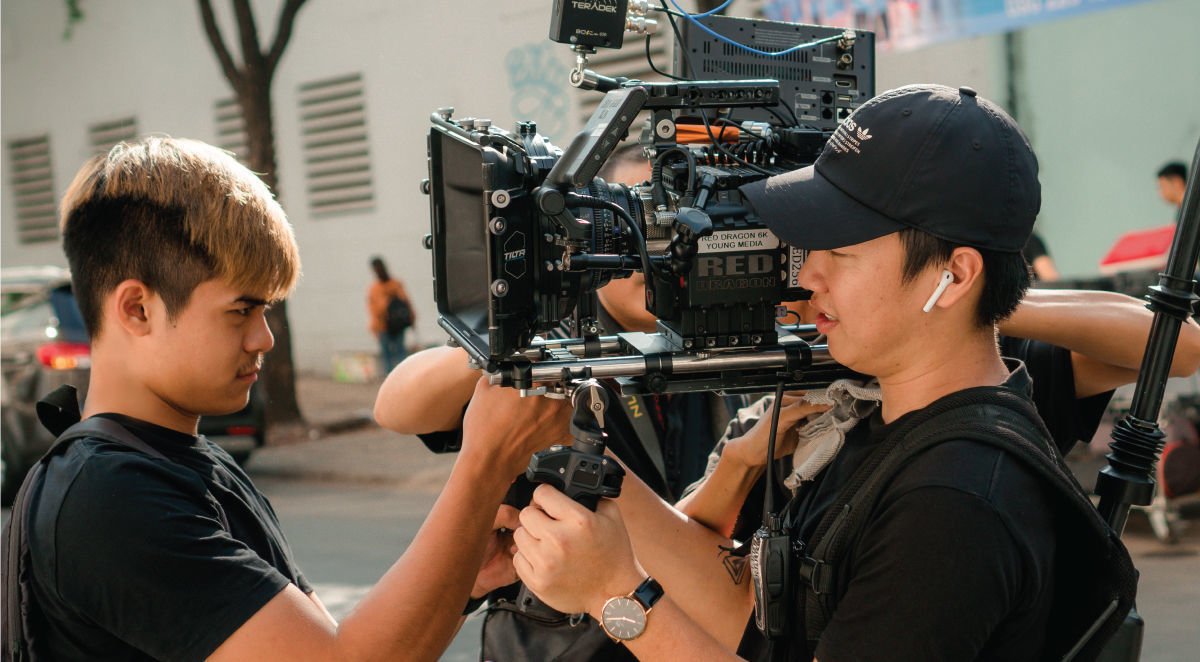
Imagine this: You’re standing on a vibrant film set in Los Angeles, the air buzzing with energy as cameras roll and actors deliver lines that could change lives. Or maybe you’re behind the scenes in a New York newsroom, crafting stories that inform millions. That’s the allure of a media and entertainment career—it’s a world where creativity meets impact, and every day feels like an adventure. But what’s the real scope here? From blockbuster movies to viral social media campaigns, this industry offers endless paths for those with passion and grit. In this article, we’ll dive deep into the opportunities, challenges, and realities, drawing from trends shaping 2025 and beyond.
Understanding the Media and Entertainment Industry
The media and entertainment sector is a powerhouse, blending storytelling, technology, and business to captivate global audiences. It’s evolved from traditional film reels and radio broadcasts to digital streaming and AI-driven content, generating trillions in revenue annually. As someone who’s dabbled in freelance video production back in college, I can tell you it’s not just about glamour—it’s about connecting people through narratives that resonate.
This industry touches everything from Hollywood blockbusters to TikTok trends, employing millions worldwide. In 2024 alone, global entertainment and media revenues hit $2.9 trillion, with projections to reach $3.5 trillion by 2029. Growth is fueled by digital shifts, but it demands adaptability in a fast-changing landscape.
Key Career Paths in Media and Entertainment
Careers here span creative, technical, and business roles, offering something for every skill set. Whether you’re drawn to the spotlight or prefer the shadows of production, the scope is broad enough to pivot as trends evolve. I once shadowed a producer friend during a indie short film shoot—it was chaotic, inspiring, and showed me how interconnected these paths really are.
From on-camera talent to behind-the-scenes wizards, opportunities abound in subsectors like film, music, and digital media.
Film and Television Production
Film and TV remain cornerstones, with roles like directors, producers, and editors shaping visual stories. Streaming services have exploded this area, creating demand for binge-worthy series and originals.
In 2025, expect more hybrid roles blending traditional production with virtual reality elements. Salaries vary, but producers can earn over $100,000 annually with experience.
Digital Media and Social Content Creation
Digital is where the action is now—think influencers, podcasters, and social media strategists crafting viral content. Platforms like YouTube and TikTok have democratized entry, letting creators build empires from their bedrooms.
This path suits tech-savvy folks; I laughed when my cousin went from posting memes to managing a brand’s Instagram, pulling in six figures. Growth here outpaces traditional media, with social video dominating ad spend.
Music and Audio Entertainment
The music industry offers spots for artists, sound engineers, and label executives, amplified by streaming and live events. Podcasts have surged, creating niches for audio producers and hosts.
With revenues climbing toward $300 billion by 2029 in video games alone (which overlaps with music), audio skills are gold. Entry often starts with gigs at local studios, building to major label deals.
Journalism and Broadcasting
Reporters, anchors, and journalists deliver news and analysis across TV, radio, and online. It’s a vital role in an era of fake news, requiring sharp ethics and quick thinking.
Broadcasting faces digital disruption, but roles like digital journalists are booming. Median pay hovers around $60,000, with top anchors earning far more.
Skills Required for Success in Media and Entertainment
To thrive, you need a mix of creative flair and technical know-how—think storytelling plus software savvy. Communication tops the list, as you’ll pitch ideas, collaborate, and engage audiences daily. I’ve seen talented folks flop without people skills; it’s that human touch that seals deals.
Adaptability is key in this volatile field, alongside digital literacy for tools like Adobe Suite or AI editing software.
Creative and Storytelling Abilities
Creativity fuels everything, from scriptwriting to visual design. It’s about innovating narratives that stick—emotional, funny, or thought-provoking.
Hone this through personal projects; my first short film was rough, but it taught me to infuse heart into every frame.
Technical Proficiency
Master tools like Final Cut Pro, SEO analytics, or sound mixing software. In 2025, AI integration means learning generative tools for effects and dubbing.
Don’t overlook basics like camera operation—technical glitches can tank a shoot, as I learned the hard way during a rainy outdoor gig.
Business and Marketing Acumen
Understand budgets, audience metrics, and promotion. Media pros aren’t just artists; they’re entrepreneurs pitching to networks or monetizing content.
Networking is huge—attend festivals or LinkedIn events to build connections that open doors.
Educational Pathways and Certifications
A bachelor’s in communications, film, or media studies is a solid start, but hands-on experience often trumps degrees. Many enter via community college programs or online courses from platforms like Coursera.
Certifications in digital marketing or Adobe tools boost resumes. I started with a film minor, but interning at a local TV station was my real education.
Degree Programs to Consider
Top schools like NYU or USC offer specialized media degrees, covering production to business. For affordability, check state universities with strong journalism programs.
Online options from edX or MasterClass provide flexible entry. Focus on portfolios over GPAs—employers want proof of skills.
Internships and Hands-On Training
Internships at studios or agencies are goldmines for networking and credits. Start small; even unpaid gigs build reels.
Vocational training in audio engineering or graphic design via places like SAE Institute accelerates entry. Aim for 6-12 months of real-world exposure.
Job Market Trends and Opportunities in 2025
The industry grows slower than average overall, but digital niches explode with 104,800 annual openings projected through 2034. Social platforms and AI are game-changers, shifting jobs toward content personalization and virtual production.
In 2025, hyperscale social video challenges traditional media, creating roles in creator management and ad tech. Cloud gaming and UGC open doors for global talent.
Emerging Roles Driven by Technology
AI specialists for dubbing and effects, or metaverse designers, are hot. Video game developers see revenues nearing $300 billion by 2029.
Sustainability-focused producers address eco-impacts of shoots. Freelance gigs via Upwork offer flexible entry.
Global vs. Local Opportunities
Hubs like LA or Mumbai dominate, but remote digital roles level the field. International markets in Asia grow fastest, per PwC forecasts.
For navigational intent, check job boards like Indeed or LinkedIn for openings—search “media production jobs near me.”
Challenges and How to Overcome Them
Competition is fierce; rejection is routine, like my dozen failed auditions early on. Long hours and irregular pay test resilience—it’s not for the faint-hearted.
Burnout looms with 24/7 demands, but setting boundaries helps. Economic dips hit hard, yet diversification (e.g., side hustles in content creation) builds stability.
Navigating Instability and Networking
Build a personal brand online to stand out. Join groups like Women in Film for support.
Humor helps: Treat networking events like parties, not interviews—loosen up, share stories, and connections flow naturally.
Adapting to Digital Shifts
Stay updated via podcasts or Deloitte’s Digital Media Trends report. Upskill in AI to future-proof your career.
Salary Expectations and Growth Potential
Median wages sit at $70,300 for media roles, higher than the national average of $49,500. Entry-level might start at $40,000, but executives top $150,000+.
Growth varies: Digital marketers average $62,000, art directors $77,000. Top earners in film production exceed $113,000.
| Job Role | Median Annual Salary (USD) | Projected Growth (2024-2034) | Key Skills Needed |
|---|---|---|---|
| Video Editor | $52,316 | Slower than average | Editing software, creativity |
| Public Relations Specialist | $69,780 | 6% (faster than average) | Communication, networking |
| Film Producer | $113,860 | Stable | Business acumen, leadership |
| Social Media Manager | $55,933 | High demand in digital | Analytics, content strategy |
| Graphic Designer | $50,656 | Moderate | Adobe Suite, visual design |
Data sourced from BLS and Indeed. For transactional intent, tools like Glassdoor help benchmark salaries by location.
Pros and Cons of a Career in Media and Entertainment
Pros:
- Creative Freedom: Express ideas that reach millions—pure joy when a project lands.
- Diverse Opportunities: Pivot from TV to podcasts without starting over.
- Global Impact: Influence culture; I teared up seeing my video shared worldwide.
- Networking Perks: Meet idols, attend premieres—beats a desk job.
- High Earning Potential: Top roles pay handsomely with bonuses.
Cons:
- Instability: Freelance droughts mean budgeting wisely.
- Intense Competition: Talent alone isn’t enough; persistence wins.
- Long Hours: Weekends on set? Normal, but exhausting.
- Public Scrutiny: One viral flop can sting.
- Tech Overload: Constant upskilling feels like a treadmill.
Weighing these, the pros often outweigh for passion-driven folks. It’s rewarding, but demands balance.
Comparison of Traditional vs. Digital Media Careers
Traditional paths (film/TV) offer prestige but slower growth; digital (social/content) provides quick entry and flexibility.
- Entry Barriers: Traditional needs degrees/internships; digital favors portfolios and virality.
- Work-Life Balance: Traditional: Structured but travel-heavy; Digital: Remote, but always-on.
- Salary Trajectory: Traditional starts lower ($50K) but caps higher ($200K+); Digital: $40K entry, scales with audience ($100K+ via sponsorships).
- Future-Proofing: Digital leads with AI trends; traditional adapts via streaming.
For those starting, blend both—learn legacy skills while building an online presence.
People Also Ask
Based on common Google queries for media and entertainment careers, here are expanded answers to frequent questions:
Is media and entertainment a good career option?
Yes, if you thrive on creativity and change—it’s dynamic with global reach. But it’s competitive; success rates vary, with only 20-30% landing stable roles early. Passion offsets the risks, as seen in creators turning hobbies into livelihoods.
What are the highest paying jobs in media and entertainment?
Executives like producers ($113,860 median) and creative directors ($100K+) top the list. Tech roles in VFX or AI integration also pay well, often exceeding $120,000 with experience. Focus on business skills to climb.
How do I start a career in entertainment?
Build a portfolio via personal projects or YouTube. Intern at local agencies, network on LinkedIn, and take online courses. Entry gigs like production assistant pay modestly but open doors—persistence is key.
What skills are most in demand for media jobs?
Digital literacy, storytelling, and adaptability rule. In 2025, AI and data analytics are hot, per industry reports. Soft skills like teamwork shine in collaborative environments.
Where can I find media and entertainment jobs?
Sites like Indeed, LinkedIn, or specialized boards (e.g., Mandy.com for film). For navigational help, visit BLS Occupational Outlook or EntertainmentCareers.net.
FAQ
What degree do I need for a media and entertainment career?
A bachelor’s in media studies, communications, or film is ideal, but not always required. Many succeed with certifications and portfolios. For example, self-taught YouTubers out-earn some degree-holders.
What is the average salary in the entertainment industry?
Around $54,870 median for entertainment occupations, per BLS, but varies by role—journalists at $60K, producers higher. Location matters; LA boosts pay 20-30%.
Are there stable jobs in media and entertainment?
Yes, in technical areas like sound engineering or marketing, less volatile than performing arts. Digital roles offer freelance stability via multiple clients.
How has AI changed media careers?
AI streamlines editing and personalization, creating jobs in tech integration while automating routine tasks. Upskill to leverage it—it’s a tool, not a threat.
What are the best tools for aspiring media professionals?
Adobe Creative Cloud for editing, Canva for quick designs, and Hootsuite for social management. Free options like DaVinci Resolve suit beginners.
In wrapping up, the scope of a media and entertainment career is as vast as your imagination allows. It’s challenging, exhilarating, and ever-evolving—perfect for those who dream big. Whether chasing Oscars or viral hits, start with passion, build skills, and network relentlessly. Your story could be next.