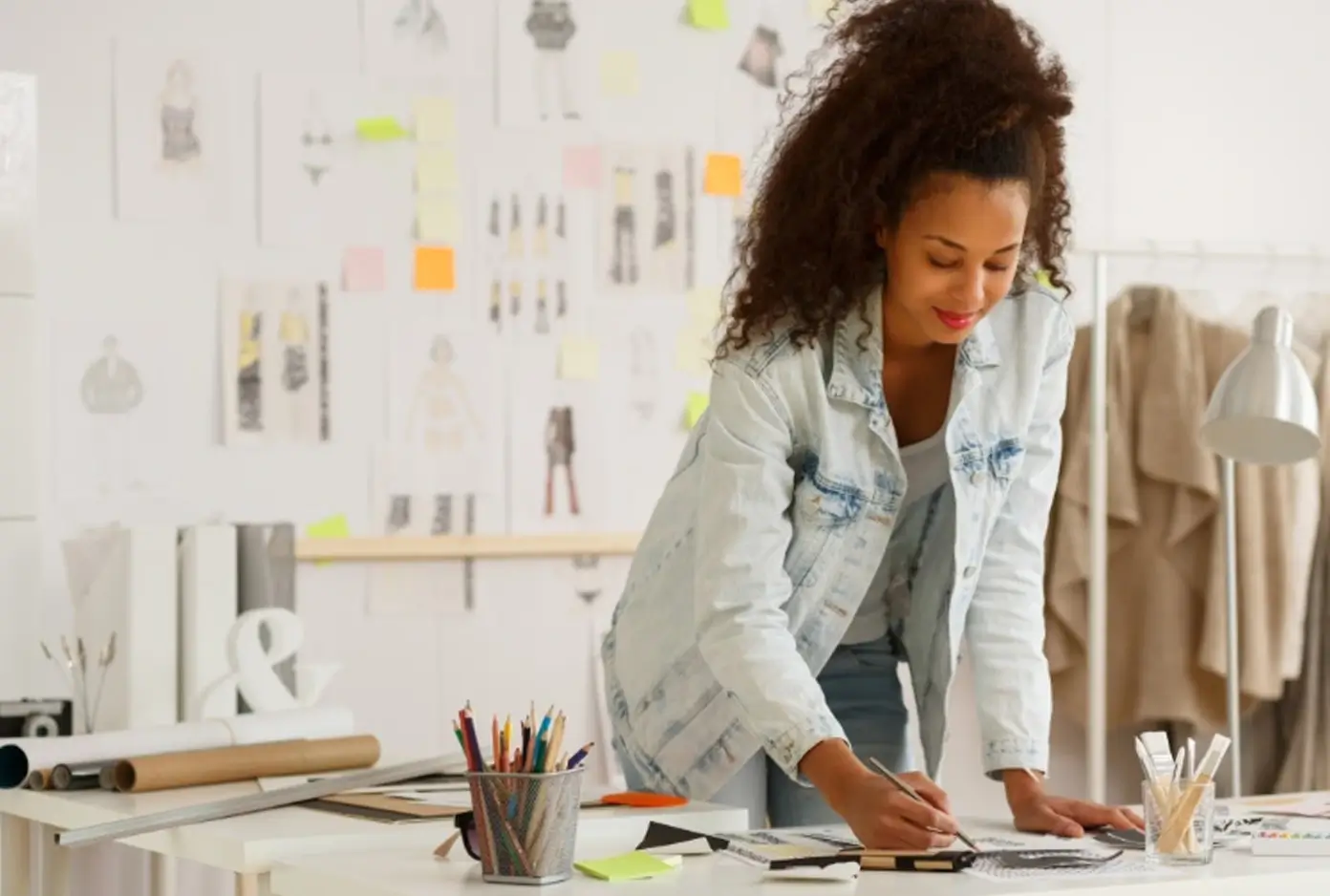
The fashion industry is a whirlwind of creativity, precision, and grit. It’s a world where a single sketch can spark a global trend or a misstep can fade into obscurity. As an aspiring fashion designer, I’ve learned through late-night sketching sessions and countless fabric swatches that success demands more than just a flair for style. It requires a toolbox of skills honed through practice, curiosity, and a touch of audacity. Whether you’re dreaming of runways in Paris or building a sustainable brand from your garage, mastering these 10 essential skills will set you apart in this fiercely competitive field. Let’s dive into the craft, heart, and hustle of fashion design.
Creativity and Artistic Vision
Every iconic design begins with a spark of imagination. Creativity is the lifeblood of fashion, allowing designers to transform fleeting ideas into wearable art. Think of Alexander McQueen’s theatrical runway shows—his bold vision turned fabric into storytelling. To thrive, you must see the world as a canvas, drawing inspiration from a sunset’s hues or a city’s chaos.
Nurturing Your Creative Spark
Carry a sketchbook everywhere—yes, even to the grocery store. Jot down ideas from a stranger’s vibrant scarf or a cracked sidewalk’s texture. Attend art galleries, travel, or binge-watch documentaries to fuel your imagination. Creativity grows when you step outside the fashion bubble and let the world surprise you.
Sketching and Illustration Skills
A designer’s sketch is their voice before fabric speaks. Strong drawing skills translate abstract ideas into clear visuals for patternmakers and clients. Karl Lagerfeld’s hand-drawn collections for Chanel were legendary, proving that a pencil can wield as much power as a sewing machine.
Sharpening Your Pencil
Practice sketching daily, focusing on proportion and detail. Use digital tools like Procreate for precision, but don’t abandon traditional pencil-and-paper—it’s timeless. Study human anatomy to make your designs wearable, not just beautiful. Online courses on platforms like Skillshare can refine your technique fast.
Technical Proficiency in Sewing and Pattern Making
No designer worth their salt skips the nuts and bolts of garment construction. Sewing and pattern making turn flat fabric into three-dimensional masterpieces. I once spent hours unpicking a botched seam, learning the hard way that precision here is non-negotiable.
Mastering the Craft
Enroll in sewing classes or watch YouTube tutorials from experts like Professor Pincushion. Invest in a quality sewing machine (Brother or Singer are great starters). Practice drafting patterns from scratch—it’s like solving a puzzle that becomes a dress. Mastery here means your designs won’t just look good on paper.
Understanding Textiles and Fabrics
Fabrics are your paint; you need to know their textures, weights, and behaviors. A designer who can’t tell chiffon from tweed is like a chef who can’t taste salt. Understanding textiles ensures your designs drape, stretch, or structure as intended.
Becoming a Fabric Whisperer
Visit fabric stores to feel and compare materials—online swatches don’t cut it. Learn how cotton breathes or why silk wrinkles. Resources like Textilepedia by Fashionary are goldmines for understanding fiber properties. Experiment with sustainable fabrics like Tencel to stay ahead of eco-conscious trends.
Trend Forecasting and Market Awareness
Fashion is a conversation with culture. Staying ahead means predicting what’s next, not just following trends. Designers like Virgil Abloh thrived by blending streetwear with high fashion, sensing shifts before they hit.
Reading the Fashion Future
Subscribe to WGSN or Vogue Business for trend reports. Follow influencers on Instagram and analyze runway shows on Vogue Runway. Join fashion forums on Reddit to see what consumers crave. Your job is to anticipate desires, not just reflect them.
Digital Design and CAD Software
In 2025, hand sketches meet high tech. Computer-aided design (CAD) software like Adobe Illustrator or Clo3D lets you create precise, scalable designs. I once used CAD to tweak a jacket’s silhouette in minutes, saving hours of manual work.
Getting Tech-Savvy
Start with free trials of Adobe Illustrator or Blender for 3D modeling. Online platforms like Domestika offer beginner-friendly CAD courses. Familiarity with these tools makes you versatile and efficient, especially when collaborating with manufacturers.
Business and Marketing Acumen
A stunning collection means nothing if it doesn’t sell. Understanding branding, pricing, and marketing is crucial. I learned this when my first pop-up shop flopped due to poor promotion—ouch.
Building Your Brand
Take a crash course in business basics via Coursera or read Fashion Entrepreneurship by Michele Granger. Learn to create a compelling brand story and leverage social media platforms like TikTok for visibility. Budgeting skills will also keep your dream alive without breaking the bank.
Communication and Collaboration
Fashion isn’t a solo sport. You’ll work with patternmakers, suppliers, and models. Clear communication prevents costly mistakes—like the time I miscommunicated a hemline and ended up with a mini instead of a maxi.
Becoming a Team Player
Practice active listening and concise feedback. Join local fashion collectives to network and collaborate. Tools like Slack or Trello streamline team projects. Strong relationships in the industry open doors to opportunities and mentorship.
Time Management and Organization
Deadlines in fashion are brutal. From seasonal collections to client orders, staying organized is your lifeline. I once missed a fabric order deadline and scrambled to save a project—never again.
Staying on Track
Use planners like Asana or Notion to map out tasks. Break projects into chunks: sketching, sourcing, prototyping. Prioritize ruthlessly and build buffer time for unexpected delays. Discipline here keeps stress at bay and quality high.
Adaptability and Resilience
The fashion world is unpredictable—trends shift, fabrics fail, clients change their minds. Resilience keeps you grounded. When a supplier sent me the wrong fabric color, I pivoted to a new design and won a client’s praise.
Thriving in Chaos
Embrace feedback, even when it stings. Stay curious and open to learning—whether it’s a new stitching technique or a sustainability trend. Meditation or journaling can help you stay calm under pressure. Fashion rewards those who bend, not break.
Comparison: Traditional vs. Modern Fashion Design Skills
| Skill Type | Traditional Approach | Modern Approach |
|---|---|---|
| Sketching | Hand-drawn with pencil and paper | Digital tablets with Procreate or Illustrator |
| Pattern Making | Manual drafting with rulers and tracing paper | CAD software like Optitex or Clo3D |
| Trend Research | Magazines and fashion shows | Social media, WGSN, and AI-driven analytics |
| Marketing | Print ads and word-of-mouth | Instagram, TikTok, and influencer collabs |
Why It Matters
Traditional skills ground you in the craft, while modern tools amplify efficiency and reach. Balancing both makes you a versatile designer who can sketch a gown by hand or pitch a collection on TikTok.
Pros and Cons of Developing These Skills
Pros
- Versatility: Mastery across creative, technical, and business skills opens diverse career paths.
- Marketability: Well-rounded designers stand out to employers and clients.
- Sustainability: Skills like trend forecasting and fabric knowledge support eco-friendly designs.
Cons
- Time-Intensive: Learning CAD or sewing takes months, if not years.
- Costly Resources: Quality tools (e.g., sewing machines, software subscriptions) aren’t cheap.
- Constant Learning: The fast-paced industry demands ongoing education.
People Also Ask (PAA)
What qualifications do you need to be a fashion designer?
You don’t need a degree, but a bachelor’s in fashion design or a related field helps. Courses in sketching, sewing, and CAD are critical. Internships and portfolios often matter more than formal education. Check programs at Parsons or FIT for top-tier training.
How can I improve my fashion design skills?
Practice daily sketching, experiment with fabrics, and take online courses on platforms like Domestika or Coursera. Attend workshops, network with designers, and stay updated on trends via WGSN or Vogue Runway. Build a portfolio to showcase your growth.
What tools do fashion designers use?
Designers rely on sewing machines (Brother, Singer), CAD software (Adobe Illustrator, Clo3D), and sketching tools (Procreate, sketchbooks). Trend forecasting platforms like WGSN and social media analytics tools are also essential for staying relevant.
Is fashion design a good career?
It’s rewarding but demanding. Creative freedom and global impact are upsides, but long hours and fierce competition are real. Median salaries range from $50,000–$80,000 annually, per the U.S. Bureau of Labor Statistics. Passion and resilience are key.
FAQ Section
How long does it take to develop these fashion design skills?
It varies. Basic sketching or sewing can take 6–12 months with consistent practice. Advanced skills like CAD or trend forecasting may take 2–3 years. Lifelong learning is part of the deal.
Where can I learn fashion design skills online?
Platforms like Skillshare, Domestika, and Coursera offer courses in sketching, sewing, and CAD. YouTube channels like Professor Pincushion provide free tutorials. Check Fashionary for books and resources.
What’s the best software for fashion design?
Adobe Illustrator is a go-to for 2D designs, while Clo3D excels in 3D modeling. Both have free trials. For beginners, Procreate is affordable and intuitive for digital sketching.
How important is networking in fashion design?
Hugely important. Connections with suppliers, stylists, and mentors open doors. Attend fashion weeks, join LinkedIn groups, or engage in local meetups to build your network.
Can I be a fashion designer without drawing skills?
It’s tough but possible. Strong CAD skills or collaboration with illustrators can compensate. Still, basic sketching helps communicate your vision clearly.
Where to Start Your Journey
Ready to dive in? Begin with free resources like YouTube tutorials for sewing or sketching. Invest in a beginner-friendly sewing machine (Brother CS6000i is a solid pick). For formal education, explore programs at Parsons School of Design or Central Saint Martins. Join fashion communities on Reddit or LinkedIn to connect with peers. The best tools for starting out include Adobe Illustrator (free trial) and Textilepedia for fabric knowledge. Your first step? Sketch one design today—imperfect is better than nothing.
Final Thoughts
Becoming a standout fashion designer is like stitching a couture gown: it takes patience, skill, and a vision that dares to dazzle. These 10 skills—creativity, technical prowess, market savvy, and more—are your threads. Weave them together with grit and heart, and you’ll create not just clothes but a legacy. So grab your sketchbook, thread your needle, and start designing your future. The runway’s waiting.