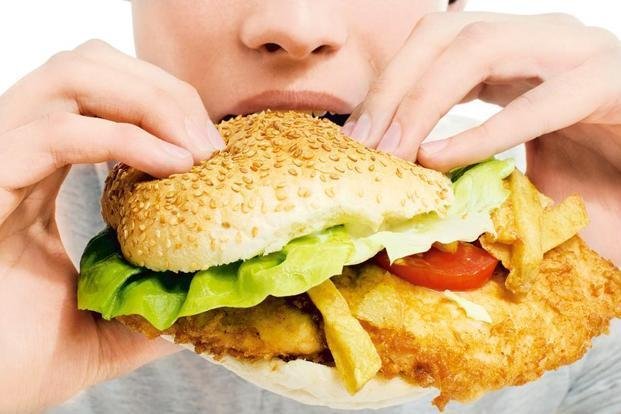
Fast food is a staple for many of us. It’s quick, cheap, and let’s be honest—those fries smell like heaven. But what happens after you scarf down that burger and soda? Your body has a lot to say about it, and it’s not always kind. This article dives deep into the science of how a fast food meal impacts your body, from your heart to your mood, with a sprinkle of real-life stories and practical tips to navigate the drive-thru without derailing your health.
Why Fast Food Feels So Good (and Bad)
Fast food is engineered to hit all the right spots—salty, sweet, fatty, and oh-so-satisfying. But that instant gratification comes with a hidden cost. A typical fast food meal, packed with calories, sodium, and unhealthy fats, sends your body into overdrive, affecting nearly every system in ways you might not notice right away.
The Allure of the Drive-Thru
Picture this: It’s 6 p.m., you’re starving, and the glowing sign of your favorite burger joint beckons. Between 2013 and 2016, 36.6% of U.S. adults ate fast food daily, and kids weren’t far behind at 36.3%. It’s convenient, but that convenience can become a habit that sneaks up on your health.
The Immediate Effects: What Happens in the First Hour?
That first bite of a cheeseburger or sip of a sugary soda sets off a chain reaction in your body. Let’s break it down step by step.
Blood Sugar Rollercoaster
Fast food is often loaded with refined carbs—think white buns, fries, and sugary drinks. These break down quickly into glucose, spiking your blood sugar. Your pancreas pumps out insulin to manage the surge, but frequent spikes can strain this system, potentially leading to insulin resistance over time.
Sodium Overload Hits Your Heart
A single fast food meal can pack over half your daily sodium limit. High sodium causes water retention, increasing blood volume and blood pressure. Your heart works harder, and over time, this strain can weaken it or damage arteries.
The Fat Factor
Saturated and trans fats in fast food raise LDL (bad) cholesterol levels. These fats start circulating in your bloodstream within hours, contributing to plaque buildup in arteries, a process called atherosclerosis. It’s like clogging your body’s highways.
Short-Term Effects: Hours to Days
You might feel fine after a fast food meal, maybe even energized from the sugar rush. But the effects linger longer than the taste.
Digestive System Struggles
Fast food lacks fiber, which is crucial for digestion. Without it, your gut feels sluggish, leading to bloating or constipation. I remember a road trip where I lived on fast food for three days—by day two, my stomach was staging a protest, and I felt like I’d swallowed a brick.
Energy Crash and Brain Fog
That initial sugar high? It’s followed by a crash. Your body burns through those empty calories fast, leaving you tired and foggy. Ever notice how you’re starving again two hours after a fast food meal? That’s your body craving real nutrients.
Mood Swings
Fast food can mess with your mood. The sugar and fat combo might feel comforting at first, but studies link high-fat, high-sugar diets to increased anxiety and depression. After a week of late-night taco runs, I found myself snappier than usual—my brain wasn’t happy.
Long-Term Effects: Months to Years
If fast food becomes a regular habit, the consequences pile up, affecting nearly every part of your body.
Cardiovascular System: A Ticking Time Bomb
High sodium and unhealthy fats are a recipe for heart trouble. Regular fast food consumption raises your risk of hypertension, heart disease, and stroke. The American Heart Association warns that diets high in saturated fats increase LDL cholesterol, narrowing arteries over time.
Metabolic Mayhem: Diabetes Risk
Frequent fast food meals can lead to insulin resistance, a precursor to type 2 diabetes. The constant blood sugar spikes wear out your pancreas, making it harder for your body to regulate glucose. A 2013 study found that kids eating fast food consumed more calories than they realized, setting the stage for obesity and diabetes.
Weight Gain and Obesity
Fast food is calorie-dense but nutrient-poor. A single meal can exceed 1,000 calories, and most people underestimate how much they’re eating. Over time, this leads to weight gain, which increases the risk of chronic conditions like heart disease and joint problems.
Mental Health: The Hidden Toll
Your brain doesn’t escape unscathed. Diets heavy in fast food are linked to poorer cognitive function and higher rates of depression. The lack of essential nutrients like omega-3s and vitamins starves your brain, while inflammation from unhealthy fats can worsen mental health.
Other Systems: Skin, Bones, and More
Fast food’s high sugar and fat content can trigger acne by increasing oil production in your skin. For your bones, the lack of calcium and vitamin D in fast food diets can weaken them over time, raising the risk of osteoporosis. Even your reproductive system isn’t spared—studies suggest poor diets can affect fertility.
A Closer Look: Fast Food vs. Home-Cooked Meals
To understand the impact, let’s compare a typical fast food meal to a home-cooked alternative.
| Aspect | Fast Food Meal (e.g., Burger, Fries, Soda) | Home-Cooked Meal (e.g., Grilled Chicken, Veggies, Water) |
|---|---|---|
| Calories | 1,200–1,500 | 500–700 |
| Sodium | 1,500–2,000 mg | 300–600 mg |
| Fiber | 2–5 g | 10–15 g |
| Healthy Fats | Low (high in trans/saturated fats) | High (e.g., olive oil, avocado) |
| Nutrient Density | Low (empty calories) | High (vitamins, minerals) |
Pros of Fast Food
- Quick and convenient
- Affordable
- Consistent taste
Cons of Fast Food
- High in calories, sodium, and unhealthy fats
- Low in fiber and essential nutrients
- Contributes to long-term health issues
Pros of Home-Cooked Meals
- Nutrient-rich and customizable
- Lower in harmful ingredients
- Supports long-term health
Cons of Home-Cooked Meals
- Time-consuming to prepare
- Requires planning and cooking skills
Real-Life Impact: A Story of Change
Take Sarah, a friend of mine who used to hit the drive-thru three times a week. She loved the convenience, but after a year, she gained 20 pounds and felt constantly tired. Her doctor warned her about high blood pressure and prediabetes. That was her wake-up call. She started cooking simple meals at home—think grilled chicken wraps and veggie stir-fries. Within months, she felt lighter, her energy returned, and her bloodwork improved. Sarah’s story shows that small changes can undo fast food’s damage.
People Also Ask (PAA)
How does fast food affect your body in the long term?
Regular fast food consumption increases the risk of heart disease, type 2 diabetes, obesity, and mental health issues due to its high content of sodium, unhealthy fats, and sugars.
Is it okay to eat fast food once in a while?
An occasional fast food meal won’t derail your health, especially if you choose healthier options like salads or grilled items. Moderation is key.
What are the healthiest fast food options?
Look for grilled proteins, veggie-based sides, and water or unsweetened tea. Chains like Chipotle or Subway offer customizable meals with fresher ingredients.
Why does fast food make me feel tired?
The high sugar and low fiber content cause a quick energy spike followed by a crash, leaving you sluggish. Nutrient deficiencies also play a role.
Navigating Fast Food: Practical Tips
You don’t have to swear off fast food forever. Here’s how to make smarter choices:
- Check Nutrition Info: Most chains provide calorie and nutrient data online or in-store. Aim for meals under 600 calories with low sodium.
- Go Grilled: Opt for grilled chicken or fish over fried options to cut down on unhealthy fats.
- Skip the Soda: Choose water or unsweetened tea to avoid empty sugar calories.
- Add Veggies: Pick salads or veggie sides to boost fiber and nutrients.
- Portion Control: Share large meals or save half for later to avoid overeating.
For healthier alternatives, try meal-prepping at home. Websites like Budget Bytes offer quick, budget-friendly recipes that rival fast food’s convenience.
Where to Get Healthier Fast Food
Chains like Chipotle, Sweetgreen, or Panera Bread offer nutrient-dense options with customizable menus. Look for places that prioritize fresh ingredients and transparency about nutrition. Apps like MyFitnessPal can help you track your intake and find better choices.
Best Tools for Healthier Eating
- MyFitnessPal: Tracks calories and nutrients to keep your fast food intake in check.
- Yummly: Offers healthy recipes tailored to your preferences, perfect for replacing fast food.
- Cronometer: A detailed nutrition tracker for those serious about balancing their diet.
FAQ Section
Can fast food cause immediate health problems?
While one meal won’t cause lasting harm, it can spike blood sugar, raise blood pressure, and cause bloating or fatigue within hours.
How does fast food affect mental health?
High-sugar, high-fat diets are linked to increased anxiety, depression, and cognitive decline due to inflammation and nutrient deficiencies.
What’s the worst ingredient in fast food?
Trans fats and excessive sodium are particularly harmful, contributing to heart disease and hypertension.
How can I eat fast food without gaining weight?
Choose lower-calorie options, control portions, and balance fast food with nutrient-rich meals at home. Regular exercise also helps.
Is fast food addictive?
The combo of sugar, fat, and salt can trigger dopamine release, making fast food craveable. It’s not addiction in the clinical sense, but it can form strong habits.
The Bottom Line
Fast food is a tempting shortcut in our busy lives, but its effects on your body—both immediate and long-term—are hard to ignore. From spiking your blood sugar to straining your heart, that quick meal can cost you more than you think. But with mindful choices, like opting for grilled options or cooking at home, you can enjoy convenience without sacrificing your health. Next time you’re eyeing the drive-thru, ask yourself: Is it worth it? Your body might thank you for passing by.