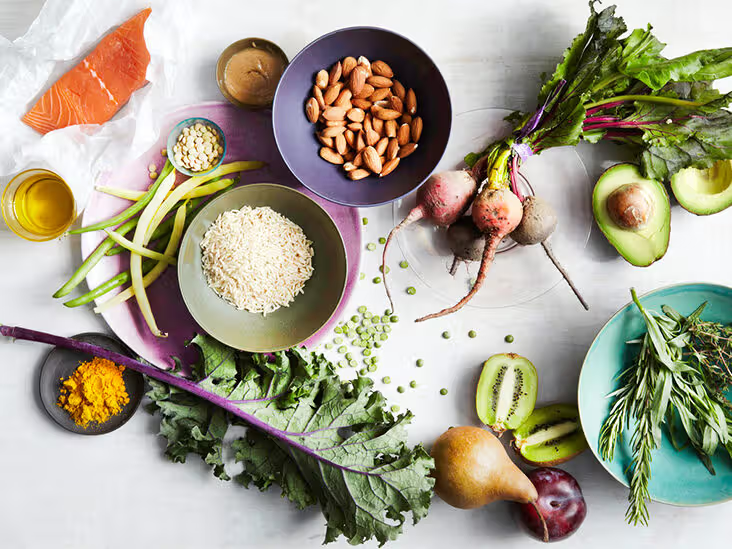
Imagine sitting down to a colorful plate of food, each bite bursting with nutrients that fuel your body and mind. As a nutrition enthusiast who’s spent years experimenting with meal plans and helping friends make healthier choices, I’ve learned that understanding the five food groups is like having a roadmap to vibrant health. These groups—fruits, vegetables, grains, proteins, and dairy—form the foundation of a balanced diet, ensuring you get the nutrients you need to thrive. In this article, we’ll dive deep into what these food groups are, why they matter, and how you can incorporate them into your daily life for optimal wellness.
What Are the Five Food Groups?
The five food groups are categories of foods that provide essential nutrients for growth, energy, and overall health. Developed by nutrition experts and backed by organizations like the USDA, these groups simplify healthy eating by breaking it down into manageable parts. Each group offers unique benefits, from vitamins and minerals to protein and fiber, working together to keep your body in top shape.
Why They Matter
Think of the five food groups as a team of superheroes, each with a special power. Fruits and vegetables pack vitamins to boost immunity, grains provide energy for your daily hustle, proteins build muscle, and dairy strengthens bones. Skipping any group is like leaving a superhero out of the fight—your body misses out on key nutrients.
Fruits: Nature’s Sweet Powerhouse
Fruits are vibrant, delicious, and loaded with vitamins, minerals, and antioxidants. Whether it’s a juicy apple or a handful of berries, fruits add natural sweetness to your diet while supporting heart health and immunity. Aim for 1.5–2 cups daily, choosing fresh, frozen, or unsweetened dried options.
Benefits of Fruits
Fruits are rich in fiber, which aids digestion, and antioxidants like vitamin C, which fight inflammation. For example, oranges can boost your immune system, while bananas provide potassium for muscle function. I remember tossing frozen berries into my morning smoothie and feeling energized all day—proof that fruits are both tasty and powerful.
Best Choices for Fruits
- Berries: Blueberries, strawberries, and raspberries are antioxidant-rich.
- Citrus Fruits: Oranges, grapefruits, and lemons for vitamin C.
- Tropical Fruits: Mangoes and pineapples for a nutrient-packed treat.
Where to Get Quality Fruits
Shop at local farmers’ markets or grocery stores for fresh, seasonal fruits. For convenience, frozen fruits like those from brands like Dole or store-brand options are nutrient-dense and budget-friendly. Check sites like LocalHarvest to find markets near you.
Vegetables: The Nutrient-Dense Champions
Vegetables are the backbone of a healthy diet, offering fiber, vitamins, and minerals with minimal calories. From leafy greens to crunchy carrots, they reduce the risk of chronic diseases like heart disease and diabetes. Aim for 2–3 cups daily, mixing colors and types for maximum benefits.
Types of Vegetables
Vegetables are divided into subgroups: dark green, red and orange, starchy, and others. Each offers unique nutrients—spinach provides iron, carrots deliver beta-carotene, and broccoli boosts vitamin K. I once challenged myself to “eat the rainbow” for a week, and the variety made every meal exciting.
Best Choices for Vegetables
- Dark Green: Kale, spinach, and broccoli for iron and calcium.
- Red and Orange: Carrots, bell peppers, and sweet potatoes for vitamin A.
- Starchy: Corn, potatoes, and peas for energy.
Where to Source Vegetables
Grow your own veggies using kits from Burpee or buy fresh from supermarkets like Whole Foods. Frozen or canned vegetables (low-sodium options) are great for quick meals. Community-supported agriculture (CSA) programs are another excellent source—find one at USDA’s CSA Directory.
Grains: Your Energy Source
Grains provide carbohydrates, the body’s primary energy source, along with fiber and B vitamins. They’re divided into whole grains (like brown rice) and refined grains (like white bread). At least half your grains should be whole for better nutrition—aim for 6–8 ounces daily.
Whole vs. Refined Grains
Whole grains retain their nutrient-rich bran and germ, offering more fiber and nutrients than refined grains. Switching to whole-grain pasta was a game-changer for me; it kept me full longer and didn’t spike my blood sugar. Refined grains, while less nutrient-dense, can still fit in moderation.
Pros and Cons of Grains
- Pros: Energy boost, affordable, versatile in recipes.
- Cons: Refined grains lack fiber; overeating can lead to weight gain.
Best Tools for Grain-Based Meals
Stock your kitchen with whole grains like quinoa or oats from brands like Bob’s Red Mill. A rice cooker, like the Zojirushi Neuro Fuzzy, makes preparing grains effortless. Check recipe blogs like Minimalist Baker for grain-based meal ideas.
Proteins: The Building Blocks
Protein foods include meat, poultry, seafood, eggs, beans, nuts, and soy products. They’re essential for muscle repair, immune function, and hormone production. Aim for 5–6.5 ounces daily, choosing lean or plant-based options to keep saturated fat low.
Animal vs. Plant-Based Proteins
Animal proteins like chicken and fish are complete proteins, while plant-based options like lentils and chickpeas are budget-friendly and fiber-rich. I swapped beef for black beans in tacos once, and the flavor was amazing—plus, my wallet thanked me.
Comparison: Animal vs. Plant-Based Proteins
| Type | Examples | Pros | Cons |
|---|---|---|---|
| Animal Proteins | Chicken, fish, eggs | High in complete proteins | Higher cost, saturated fats |
| Plant-Based | Beans, lentils, tofu | Affordable, fiber-rich | May need combining for all amino acids |
Where to Find Quality Proteins
Buy lean meats from local butchers or stores like Trader Joe’s. For plant-based proteins, bulk bins at natural food stores or brands like Goya offer affordable beans and lentils. Seafood lovers can explore sustainable options via Monterey Bay Aquarium’s Seafood Watch.
Dairy: Bone Health and Beyond
Dairy foods like milk, yogurt, and cheese provide calcium, vitamin D, and protein for strong bones and teeth. Aim for 3 cups daily, choosing low-fat or non-dairy alternatives like almond milk if lactose is an issue. Fortified options ensure you get similar nutrients.
Dairy vs. Non-Dairy Alternatives
Dairy is a calcium powerhouse, but fortified non-dairy milks like soy or oat milk are great for vegans or those with lactose intolerance. I tried oat milk in my coffee and was surprised by its creamy texture—it’s now a staple in my kitchen.
Best Choices for Dairy
- Milk: Low-fat or fortified plant-based milk.
- Yogurt: Greek yogurt for extra protein.
- Cheese: Low-fat options like mozzarella.
Where to Get Dairy Products
Supermarkets carry trusted brands like Chobani for yogurt or Almond Breeze for non-dairy milk. For local options, check out dairy farms via Dairy Farmers of America. Always read labels to avoid added sugars in flavored products.
How to Build a Balanced Plate
Creating a balanced plate is like painting a masterpiece—each food group adds color and texture. The USDA’s MyPlate model suggests filling half your plate with fruits and vegetables, a quarter with grains, and a quarter with protein, with dairy on the side. This approach ensures variety and nutrient balance.
Practical Tips for Daily Meals
- Breakfast: Oatmeal with berries and a glass of milk.
- Lunch: Grilled chicken salad with whole-grain bread.
- Dinner: Baked salmon, quinoa, and steamed broccoli.
- Snacks: Apple slices with peanut butter or yogurt with nuts.
People Also Ask (PAA)
What are the five main food groups?
The five main food groups are fruits, vegetables, grains, proteins, and dairy. Each provides essential nutrients like vitamins, minerals, and protein to support overall health.
Why are the five food groups important?
They ensure a balanced intake of nutrients, reducing the risk of chronic diseases and supporting energy, growth, and immunity. Variety across groups maximizes benefits.
What foods should you eat every day?
Incorporate a mix of fruits, vegetables, whole grains, lean proteins, and dairy or alternatives daily. Aim for colorful, nutrient-dense choices to meet your needs.
How much of each food group should I eat?
Adults should aim for 1.5–2 cups of fruits, 2–3 cups of vegetables, 6–8 ounces of grains, 5–6.5 ounces of protein, and 3 cups of dairy daily, per USDA guidelines.
FAQ Section
What happens if I skip one food group?
Skipping a food group can lead to nutrient deficiencies. For example, avoiding dairy might reduce calcium intake, weakening bones. Balance is key to long-term health.
Can I replace dairy with supplements?
Yes, calcium and vitamin D supplements can help, but whole foods provide additional nutrients. Consult a doctor before relying solely on supplements.
Are processed foods part of the five food groups?
Some processed foods, like canned beans or frozen vegetables, fit into the groups if low in additives. Avoid heavily processed items with added sugars or sodium.
How can I make the food groups affordable?
Buy in-season produce, shop bulk grains and beans, and choose frozen or canned options. Local markets and discount stores can also save money.
Is it okay to eat the same foods every day?
Variety is best to ensure a range of nutrients. Rotate choices within each group to avoid monotony and maximize nutritional benefits.
Final Thoughts
The five food groups are your ticket to a healthier, happier you. By weaving fruits, vegetables, grains, proteins, and dairy into your meals, you’re not just eating—you’re nourishing your body and soul. Start small: swap white bread for whole-grain, add a handful of spinach to your smoothie, or try a new bean recipe. Your body will thank you, and you might just discover a new favorite dish along the way.