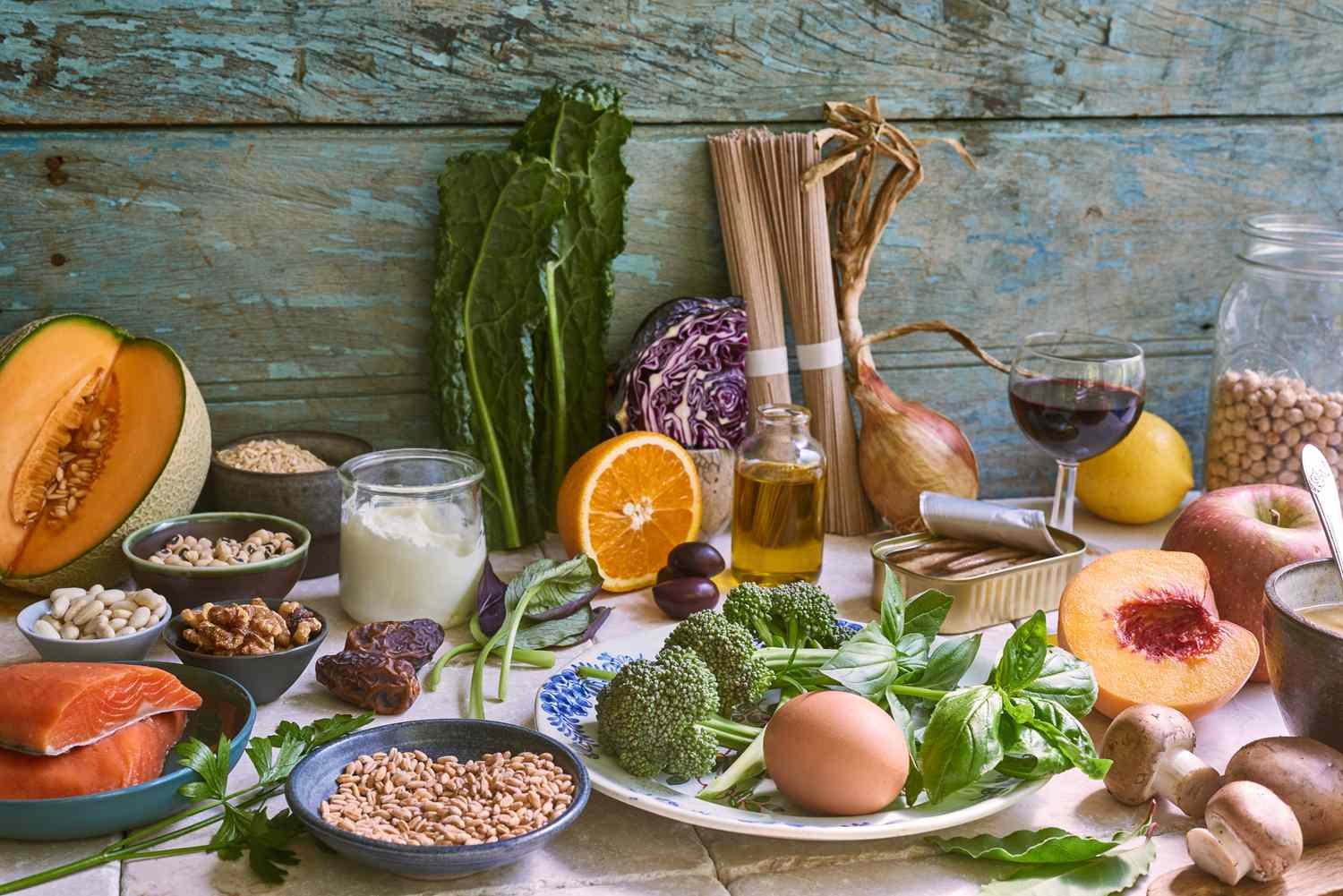
Welcome to the Food & Ingredients Resource Center, where we dive deep into the world of culinary arts, nutrition, and ingredient sourcing. Whether you’re a home cook looking to master new recipes, a health enthusiast seeking nutrient-dense ingredients, or someone curious about where to find the freshest produce, this guide is for you. Drawing from my own experiences in the kitchen and years of exploring farmers’ markets, I’ll share practical tips, trustworthy resources, and a sprinkle of humor to make your food journey both fun and fulfilling.
Why Understanding Food and Ingredients Matters
Food is more than sustenance—it’s a universal language that connects us. From my grandmother’s secret marinara recipe to the vibrant spices I discovered at a local market, ingredients shape our meals and memories. Knowing where your food comes from and how to use it empowers you to cook with confidence, save money, and nourish your body. This guide will help you navigate the vast world of ingredients with ease.
The Power of Quality Ingredients
High-quality ingredients can transform a dish from ordinary to extraordinary. Think of biting into a juicy, farm-fresh tomato versus a bland, store-bought one—it’s night and day. Choosing fresh, seasonal, and ethically sourced ingredients not only enhances flavor but also supports sustainable practices.
How Ingredients Impact Health
Every ingredient tells a nutritional story. For example, swapping refined grains for whole grains like quinoa can boost fiber intake and stabilize blood sugar. Understanding the nutritional profile of ingredients helps you make informed choices, whether you’re managing dietary restrictions or aiming for a balanced diet.
What Are the Best Ingredients for Everyday Cooking?
Let’s break down the must-have ingredients that form the backbone of any kitchen. These staples are versatile, affordable, and packed with flavor or nutrition.
Pantry Staples for Versatility
Every kitchen needs a solid foundation. Stocking up on basics like olive oil, canned tomatoes, and dried herbs ensures you’re ready for anything. I learned this the hard way when I tried to whip up a last-minute dinner party dish with only ketchup and stale crackers in my pantry!
- Olive Oil: Perfect for cooking, dressings, or drizzling over dishes.
- Rice and Grains: Brown rice, quinoa, and farro are nutrient-rich and filling.
- Canned Goods: Beans, tomatoes, and tuna for quick meals.
- Spices: Cumin, paprika, and garlic powder add depth to any dish.
Fresh Ingredients for Flavor
Fresh produce and proteins bring vibrancy to your meals. I still remember the first time I used fresh basil in a pesto—it was a game-changer. Prioritize ingredients like leafy greens, citrus, and lean meats for maximum freshness and taste.
Superfoods to Boost Nutrition
Superfoods like kale, chia seeds, and salmon are nutrient powerhouses. They’re not just buzzwords; incorporating them into your diet can improve energy levels and overall health. For instance, adding a tablespoon of chia seeds to your smoothie can provide a dose of omega-3s and fiber.
Where to Source High-Quality Ingredients
Finding the best ingredients can feel overwhelming, especially with so many options. Here’s how to navigate grocery stores, farmers’ markets, and online retailers like a pro.
Farmers’ Markets: A Treasure Trove
Farmers’ markets are my go-to for fresh, local produce. Chatting with vendors not only builds community but also gives you insights into what’s in season. I once scored a basket of heirloom tomatoes for half the price just by asking a farmer about their harvest.
- Pros: Fresh, seasonal, supports local farmers.
- Cons: Limited hours, not always budget-friendly.
Grocery Stores: Convenience Meets Variety
Supermarkets offer one-stop shopping for pantry staples and specialty items. Chains like Whole Foods or Trader Joe’s often carry organic and international ingredients, but don’t sleep on budget stores like Aldi for quality basics.
Online Retailers: Specialty Ingredients at Your Door
For hard-to-find items like truffle oil or exotic spices, online stores like Thrive Market or Amazon are lifesavers. I discovered a rare Korean chili paste on Thrive that elevated my stir-fries to restaurant level.
| Source | Best For | Price Range | Availability |
|---|---|---|---|
| Farmers’ Markets | Fresh, local produce | $$–$$$ | Seasonal, weekends |
| Grocery Stores | Pantry staples, variety | $–$$ | Year-round, daily |
| Online Retailers | Specialty, bulk items | $$–$$$$ | Year-round, online |
How to Choose Ingredients for Specific Diets
Whether you’re vegan, gluten-free, or keto, selecting the right ingredients is key to sticking with your diet while keeping meals exciting.
Vegan and Plant-Based Diets
Plant-based eating is more than just salads. Ingredients like lentils, nutritional yeast, and coconut milk can create creamy, satisfying dishes. My vegan friend swears by aquafaba (chickpea brine) for fluffy desserts—genius!
Gluten-Free Cooking
For gluten-free diets, focus on naturally gluten-free grains like rice, quinoa, or buckwheat. Always check labels for hidden gluten in sauces or processed foods. I learned this after accidentally serving a gluten-sensitive guest a soy sauce-based dish—oops.
Keto and Low-Carb Options
Keto-friendly ingredients like avocado, almond flour, and grass-fed butter are staples for low-carb cooking. A keto pizza crust made with almond flour changed my life—it’s crispy and guilt-free.
Nutritional Breakdown of Common Ingredients
Understanding the nutritional value of ingredients helps you make smarter choices. Here’s a quick comparison of popular ingredients:
| Ingredient | Calories (per 100g) | Protein (g) | Carbs (g) | Fat (g) |
|---|---|---|---|---|
| Quinoa | 368 | 14 | 64 | 6 |
| Chicken Breast | 165 | 31 | 0 | 3.6 |
| Avocado | 160 | 2 | 9 | 15 |
| Kale | 49 | 4.3 | 9 | 0.9 |
Why Nutritional Awareness Matters
Knowing what’s in your food helps you balance macronutrients and avoid deficiencies. For example, pairing iron-rich spinach with vitamin C-rich bell peppers boosts absorption—a trick I learned from a nutritionist friend.
Best Tools for Working with Ingredients
Having the right tools makes prepping and cooking ingredients a breeze. Here are my top picks:
Kitchen Essentials
A sharp chef’s knife, a cutting board, and a good set of measuring cups are non-negotiable. I once tried chopping onions with a dull knife—let’s just say tears were shed for all the wrong reasons.
- Chef’s Knife: Victorinox or Wüsthof for precision.
- Food Processor: Cuisinart for quick chopping and blending.
- Digital Scale: Ensures accurate measurements for baking.
Apps for Recipe Planning
Apps like Yummly or Paprika help you organize recipes and create shopping lists based on ingredients. Paprika saved me when I needed a quick dinner idea using only what was in my fridge.
| Tool | Purpose | Price Range | Where to Buy |
|---|---|---|---|
| Chef’s Knife | Chopping, slicing | $30–$150 | Amazon, Sur La Table |
| Food Processor | Blending, chopping | $50–$200 | Target, Best Buy |
| Paprika App | Recipe planning | $4.99 | App Store, Google Play |
People Also Ask (PAA) Section
What are the healthiest ingredients to cook with?
Nutrient-dense ingredients like leafy greens, lean proteins, and healthy fats (e.g., olive oil) are great choices. They provide essential vitamins and minerals without excess calories.
Where can I find organic ingredients near me?
Check local farmers’ markets, co-ops, or stores like Whole Foods. Websites like LocalHarvest can help you find organic suppliers in your area.
How do I know if an ingredient is fresh?
Look for vibrant colors, firm textures, and no off smells. For produce, seasonal items are often freshest. For meats, check for a bright color and a “sell by” date.
What are the best budget-friendly ingredients?
Rice, beans, frozen vegetables, and in-season produce are affordable and versatile. Buying in bulk from stores like Costco can also save money.
FAQ Section
What’s the difference between organic and non-organic ingredients?
Organic ingredients are grown without synthetic pesticides or fertilizers, often making them better for the environment and potentially more nutrient-dense. However, they can be pricier. Non-organic options are more affordable but may contain trace chemicals.
How can I store ingredients to keep them fresh longer?
Store produce in breathable bags in the fridge, keep grains in airtight containers, and freeze meats if not using within a few days. For herbs, wrap them in a damp paper towel to extend freshness.
Are frozen ingredients as nutritious as fresh ones?
Yes, frozen fruits and vegetables are often flash-frozen at peak ripeness, preserving nutrients. They’re a great budget-friendly option for smoothies or cooking.
How do I substitute ingredients in recipes?
Use similar ingredients with comparable flavors or textures. For example, swap Greek yogurt for sour cream or maple syrup for honey. Online resources like The Kitchn offer substitution guides.
What’s the best way to learn about new ingredients?
Experiment! Try one new ingredient a week, like miso paste or farro, and follow recipes from trusted sites like Bon Appétit. Visiting ethnic markets can also spark inspiration.
Tips for Cooking with Confidence
Cooking with great ingredients is like painting with a vibrant palette—it’s all about creativity and balance. Start with simple recipes to build skills, and don’t be afraid to make mistakes. My first attempt at homemade bread was a brick, but now I bake loaves that rival any bakery. Here are some final tips:
- Taste as You Go: Adjust seasoning to suit your palate.
- Prep Ahead: Chop vegetables or marinate proteins in advance to save time.
- Experiment with Spices: A pinch of smoked paprika can elevate even scrambled eggs.
By understanding ingredients, sourcing them wisely, and using the right tools, you’ll transform your kitchen into a hub of creativity and health. So, grab that chef’s knife, hit the market, and start cooking—your taste buds will thank you!