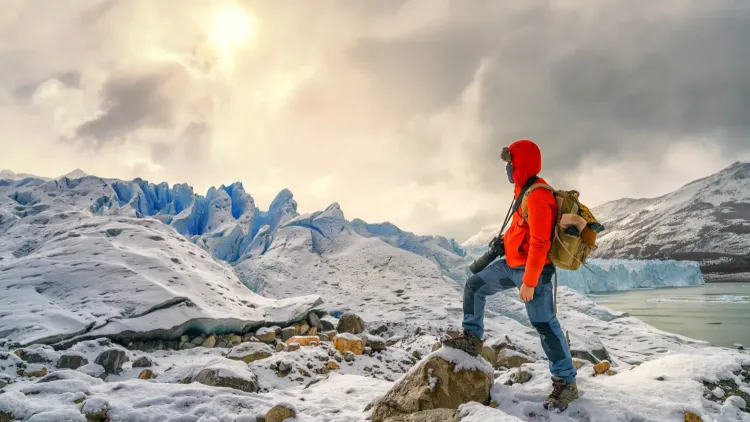
Traveling opens up a world of adventure, from savoring street food in Bangkok to hiking the rugged trails of Patagonia. But let’s be real—new places can bring new risks. Whether it’s a pickpocket eyeing your wallet or a dodgy Wi-Fi network threatening your data, staying safe is key to enjoying your journey. With years of globetrotting under my belt, including a few close calls (like that time I nearly lost my passport in a bustling Moroccan market), I’ve learned what keeps harm at bay. This guide shares nine practical, actionable tips to ensure your travels are as safe as they are unforgettable.
Why Travel Safety Matters
Travel safety isn’t just about avoiding worst-case scenarios; it’s about peace of mind. Distractions like snapping photos or navigating unfamiliar streets can make you vulnerable. These tips, grounded in real-world experience, help you stay sharp without dampening the joy of exploration.
Tip 1: Research Your Destination Before You Go
Knowledge is your first line of defense. Before jetting off, dive into your destination’s safety landscape—crime rates, cultural norms, and recent advisories. For example, when I planned a trip to Rio, I learned about common street scams, which helped me spot a fake “tour guide” from a mile away.
How to Research Effectively
Check the U.S. State Department’s Travel Advisories for destination-specific risks. Forums like TripAdvisor or Reddit’s r/travel can reveal recent traveler experiences. A quick Google search like “common scams in [destination]” can uncover local pitfalls.
Tip 2: Share Your Itinerary with Loved Ones
Let someone back home know your plans. Share your flight details, hotel addresses, and rough itinerary. When I backpacked through Southeast Asia, texting my sister my hostel check-ins gave us both peace of mind.
Making It Easy to Stay in Touch
Use apps like WhatsApp or Google Docs to share real-time updates. For remote areas, consider a satellite communicator like the Garmin inReach. Regular check-ins ensure someone knows where you are if things go south.
Tip 3: Digitize Your Important Documents
Losing your passport or ID can turn a dream trip into a nightmare. Scan your passport, visas, and travel insurance, and store them securely online. I once had my wallet swiped in Barcelona, but digital backups saved me at the embassy.
Best Tools for Document Storage
Use encrypted cloud services like Google Drive or LastPass for secure storage. Apps like TripIt can also organize travel docs. Keep physical photocopies separate from originals as a backup.
Tip 4: Secure Your Belongings
Pickpockets thrive on distracted tourists. A friend learned this the hard way when her phone vanished in a crowded Paris metro. Use anti-theft gear and keep valuables out of sight to avoid becoming a target.
Top Anti-Theft Gear to Consider
- Pacsafe Backpacks: Slash-proof and lockable zippers.
- Money Belts: Discreet for cash and cards.
- Luggage Locks: TSA-approved for checked bags.
| Gear | Pros | Cons |
|---|---|---|
| Pacsafe Backpack | Durable, secure | Slightly pricey |
| Money Belt | Lightweight, hidden | Limited space |
| Luggage Lock | Easy to use | Can be cut off |
Tip 5: Get Travel Insurance
Travel insurance is a safety net for emergencies—medical issues, trip cancellations, or lost luggage. On a trip to Peru, my friend’s altitude sickness led to a hefty hospital bill, but insurance covered it all.
Choosing the Right Policy
Compare plans on sites like Squaremouth. Look for coverage for medical emergencies, evacuations, and trip interruptions. Policies start at $20–$50 for basic coverage.
| Provider | Coverage Highlights | Starting Price |
|---|---|---|
| World Nomads | Adventure activities, medical | $40/month |
| Allianz | Trip cancellation, delays | $25/trip |
| SafetyWing | Digital nomads, long-term travel | $45/4 weeks |
Tip 6: Stay Aware of Your Surroundings
Situational awareness is your superpower. In a crowded Istanbul bazaar, I noticed a guy tailing me too closely and switched directions to lose him. Keep your head up, avoid distractions, and trust your gut.
Tips for Staying Vigilant
- Avoid phone scrolling in busy areas.
- Learn basic local phrases to blend in.
- Use reflective surfaces (like shop windows) to check behind you.
Tip 7: Avoid Public Wi-Fi Risks
Public Wi-Fi is a hacker’s playground. I learned this when a sketchy café network in Budapest tried to snag my login details. Protect your data with a VPN and avoid sensitive transactions on unsecured networks.
Best VPNs for Travelers
- NordVPN: Fast, secure, $3–$12/month.
- ExpressVPN: User-friendly, $8–$13/month.
- Surfshark: Budget-friendly, $2–$10/month.
Always log out of accounts and enable two-factor authentication for extra security.
Tip 8: Know Local Emergency Contacts
Every destination has unique emergency numbers. In Japan, I dialed 119 for a minor injury instead of 911, thanks to prior research. Save local police, ambulance, and embassy numbers before you go.
Where to Find Emergency Info
Check Travel.State.gov for country-specific emergency contacts. Apps like GeoSure provide real-time safety data. Keep a physical note of these numbers in case your phone dies.
Tip 9: Blend In to Avoid Attention
Standing out as a tourist can make you a target. In Rome, I ditched my bright sneakers for local-style shoes, and suddenly, fewer vendors hassled me. Dress like locals and avoid flashy displays of wealth.
How to Blend In
- Research local dress codes before packing.
- Avoid wearing expensive jewelry or brand logos.
- Use a crossbody bag instead of a bulky backpack.
Comparison: Solo vs. Group Travel Safety
| Aspect | Solo Travel | Group Travel |
|---|---|---|
| Flexibility | High—set your own pace | Lower—group schedules |
| Safety | Riskier, need more vigilance | Safer, strength in numbers |
| Costs | Often cheaper | Can be pricier |
| Social | More effort to connect | Built-in companionship |
Pros of Solo Travel: Freedom, personal growth.
Cons: Higher risk, loneliness.
Pros of Group Travel: Safety, shared costs.
Cons: Less flexibility, potential conflicts.
People Also Ask (PAA)
How can I stay safe while traveling alone?
Solo travel requires extra caution. Share your itinerary, use anti-theft gear, and stay in well-reviewed accommodations. Apps like TripWhistle can connect you to local emergency services.
What should I do if I lose my passport?
Report it to the local embassy immediately. Digital backups and photocopies speed up replacement. Contact your travel insurance provider for assistance with costs or delays.
Are travel safety apps worth it?
Yes, apps like GeoSure or BSafe offer real-time alerts and emergency sharing. They’re especially useful in unfamiliar or high-risk areas.
How do I avoid scams while traveling?
Research common scams for your destination. Avoid unsolicited offers, verify taxi meters, and book through trusted platforms like Booking.com or Viator.
FAQ
1. What’s the best way to protect my belongings while traveling?
Use anti-theft bags, keep valuables hidden, and avoid flashing wealth. Lock your luggage and store backups in a hotel safe.
2. Should I get travel insurance for short trips?
Yes, even short trips can face delays or medical issues. Basic plans are affordable and cover unexpected costs.
3. How do I stay safe in a high-crime area?
Research risky neighborhoods, travel in groups if possible, and avoid nighttime outings. Stay in well-lit, populated areas.
4. Can I use my phone safely on public Wi-Fi?
Only with a VPN like NordVPN or Surfshark. Avoid banking or sensitive logins, and enable two-factor authentication.
5. What’s the most important travel safety tip?
Situational awareness. Stay alert, trust your instincts, and avoid distractions to spot potential risks early.
Final Thoughts
Travel is about embracing the unknown, but that doesn’t mean throwing caution to the wind. These nine tips—researched, tested, and learned through years of adventures—help you navigate the world with confidence. From dodging pickpockets to securing your data, each step builds a safer journey. So pack your bags, double-check your backups, and hit the road knowing you’re ready for anything. Safe travels!