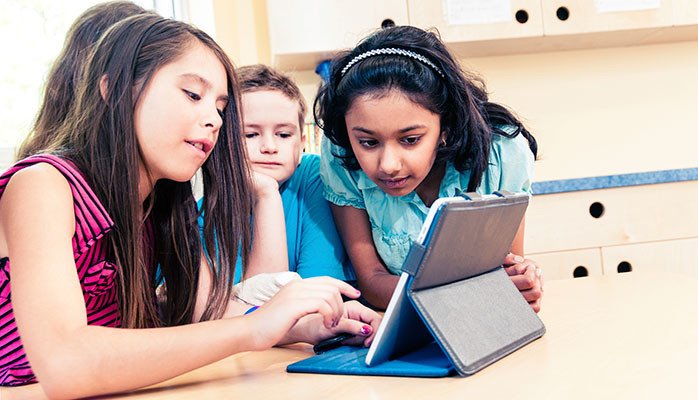
Education shapes the future, but is our current system keeping pace with a rapidly evolving world? As technology advances, economies shift, and societal needs change, many argue that traditional education models are falling short. From outdated curricula to one-size-fits-all teaching methods, the cracks in the system are showing. This article explores why changes in education are not just needed but essential, weaving in real-world examples, data, and actionable insights to spark a conversation about the future of learning.
Why Education Must Evolve
The world has changed dramatically over the past few decades, yet many classrooms look eerily similar to those of the 1950s. Students sit in rows, memorize facts, and prepare for standardized tests, while employers demand critical thinking, adaptability, and digital skills. This disconnect raises a critical question: is education preparing students for the real world?
The Skills Gap Crisis
A 2023 study by the World Economic Forum found that 50% of workers will need reskilling by 2025 due to automation and technological advancements. Traditional education often prioritizes rote learning over skills like problem-solving, coding, or emotional intelligence, leaving graduates unprepared for modern careers.
Technology’s Role in Transformation
Technology is reshaping industries, yet many schools lag in integrating tools like AI, virtual reality, or coding into curricula. For example, Finland’s education system, often praised as a global leader, emphasizes digital literacy from an early age, preparing students for a tech-driven world.
The Case for Personalized Learning
Every student learns differently, yet traditional education often takes a one-size-fits-all approach. I remember struggling with algebra in high school, feeling lost in a sea of equations while my teacher moved on. A more tailored approach could have made all the difference.
What Is Personalized Learning?
Personalized learning uses data and technology to customize education to a student’s pace, interests, and strengths. Platforms like Khan Academy offer adaptive exercises that adjust difficulty based on performance, ensuring no student is left behind.
Benefits of Tailored Education
- Engagement: Students stay motivated when learning aligns with their interests.
- Efficiency: Faster learners can advance without waiting, while others get extra support.
- Real-World Prep: Personalized paths teach students to take ownership of their learning, a key skill for lifelong growth.
The Role of Teachers in a Modern System
Teachers are the heart of education, but they’re often overburdened and under-resourced. My cousin, a middle school teacher, spends hours grading papers instead of innovating lessons. Modernizing education means empowering teachers, not replacing them.
Professional Development Needs
Ongoing training in technology, mental health awareness, and inclusive teaching is critical. A 2022 report by the National Education Association showed that 60% of teachers feel unprepared to use digital tools effectively in the classroom.
Reducing Administrative Burdens
Automating tasks like grading or attendance tracking can free teachers to focus on instruction. Tools like Google Classroom streamline workflows, letting educators prioritize student interaction over paperwork.
Comparing Traditional vs. Modern Education
| Aspect | Traditional Education | Modern Education |
|---|---|---|
| Teaching Method | Lecture-based, one-size-fits-all | Personalized, student-centered |
| Technology Use | Limited, often outdated | Integrated, with AI, VR, and coding |
| Skill Focus | Memorization, test prep | Critical thinking, creativity, digital skills |
| Teacher Role | Primary knowledge source | Facilitator and guide |
Pros of Traditional Education
- Familiar structure, easy to implement at scale.
- Emphasizes discipline and foundational knowledge.
- Cost-effective for underfunded systems.
Cons of Traditional Education
- Fails to address diverse learning needs.
- Limited focus on 21st-century skills.
- Can disengage students who don’t thrive in rigid settings.
Pros of Modern Education
- Prepares students for dynamic careers.
- Engages students through interactive, relevant content.
- Leverages technology for efficiency and scalability.
Cons of Modern Education
- Requires significant investment in tech and training.
- Transitioning can disrupt established systems.
- Risk of over-reliance on technology.
Addressing Equity in Education
Not every student has access to the same resources. Growing up in a rural area, I saw friends struggle without reliable internet or modern textbooks. Changes in education must prioritize equity to ensure no one is left behind.
Closing the Digital Divide
A 2024 UNESCO report highlighted that 43% of students worldwide lack access to online learning tools. Governments and schools must invest in infrastructure, like providing laptops or Wi-Fi hotspots, to level the playing field.
Inclusive Curricula
Education should reflect diverse perspectives. Incorporating multicultural histories and gender-neutral examples can make learning more relatable and empowering for all students.
The Mental Health Connection
Education isn’t just about academics; it’s about nurturing well-rounded individuals. The pressure to perform can take a toll. I recall a classmate who burned out from constant test prep, a reminder that mental health must be a priority.
Integrating Social-Emotional Learning (SEL)
SEL teaches skills like empathy, resilience, and stress management. Programs like CASEL’s SEL framework have been shown to improve academic performance and reduce anxiety in students.
Supporting Student Well-Being
Schools should offer counselors, mindfulness programs, and flexible schedules to support mental health. A 2023 study found that schools with robust SEL programs saw a 20% drop in student stress levels.
People Also Ask (PAA)
What are the main problems with the current education system?
The current system often prioritizes test scores over practical skills, leaving students unprepared for modern careers. It lacks personalization, struggles with equity, and places heavy burdens on teachers.
How can technology improve education?
Technology enables personalized learning, automates administrative tasks, and introduces skills like coding. Tools like virtual reality can make lessons immersive, as seen in schools using VR for history lessons.
Where can schools get funding for reforms?
Governments, private grants, and partnerships with tech companies like Google or Microsoft can provide funding. Nonprofits like DonorsChoose also connect schools with donors for resources.
What are the best tools for modernizing education?
Platforms like Khan Academy, Google Classroom, and Edmodo offer personalized learning and streamline teaching. Coding tools like Scratch teach critical STEM skills to young students.
Practical Steps for Change
Reforming education sounds daunting, but small, actionable steps can make a big difference. Schools can start by piloting new teaching methods or investing in teacher training. Parents can advocate for updated curricula, while students can explore online resources to supplement their learning.
For Schools
- Pilot personalized learning programs in select classrooms.
- Partner with tech companies for free or discounted tools.
- Offer teacher workshops on digital tools and SEL.
For Parents and Students
- Use free platforms like Coursera or edX for supplemental learning.
- Advocate for mental health resources in schools.
- Join local education boards to push for equitable reforms.
FAQ Section
Why is the current education system outdated?
It was designed for an industrial economy, focusing on rote learning rather than critical thinking or digital skills needed today. Many curricula haven’t adapted to modern career demands.
How can schools afford to integrate technology?
Grants from organizations like the Bill & Melinda Gates Foundation or government programs can fund tech upgrades. Schools can also explore cost-effective tools like open-source software.
What role do parents play in education reform?
Parents can advocate for change by joining school boards, supporting teachers, and encouraging their kids to explore online learning resources like Khan Academy.
How does personalized learning benefit students?
It tailors education to individual needs, boosting engagement and retention. Students learn at their own pace, building confidence and mastery.
Are there risks to modernizing education?
Yes, over-reliance on technology or rushed reforms can disrupt learning. Equity issues must also be addressed to avoid widening gaps between privileged and underserved students.
The Path Forward
Education is at a crossroads. The world demands adaptable, creative thinkers, yet many schools remain stuck in the past. By embracing personalized learning, leveraging technology, and prioritizing equity and mental health, we can build a system that truly prepares students for the future. It won’t be easy—change never is—but the cost of inaction is far greater. Imagine a world where every student feels seen, supported, and ready to thrive. That’s the education system we need, and it’s within our reach.
For more on education reform, check out Edutopia for innovative teaching ideas or explore Khan Academy for free, personalized learning resources. Let’s work together to shape a brighter future for the next generation.