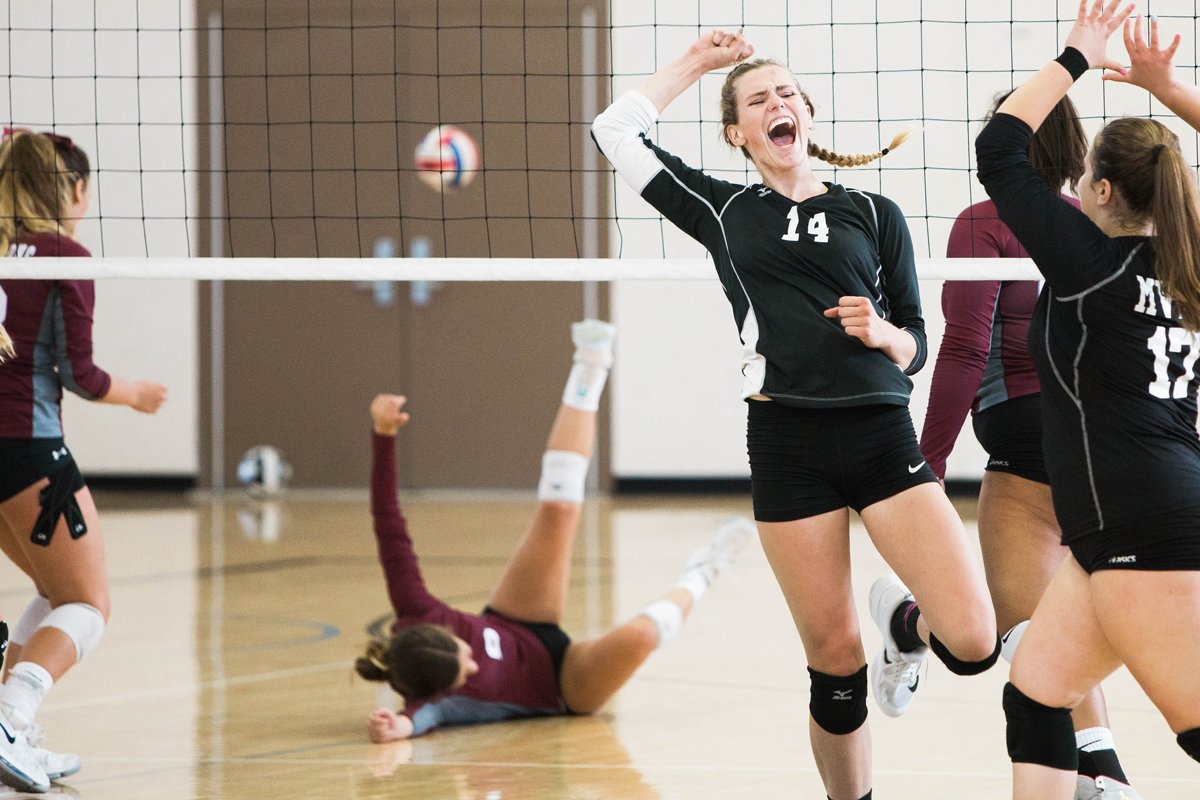
Staying healthy while playing sports isn’t just about dodging injuries or powering through a game—it’s about building a lifestyle that keeps you strong, energized, and ready for the next play. Whether you’re a weekend warrior lacing up for a pickup basketball game or a competitive athlete training for a marathon, your health is the foundation of your performance. Drawing from my own experience as a former high school soccer player who once ignored a nagging shin splint (spoiler: it wasn’t fun), I’ve learned that a proactive approach to health can make all the difference. This article dives into practical, actionable ways to stay healthy, backed by science and real-world insights, so you can keep doing what you love without burning out or breaking down.
Why Staying Healthy Matters for Athletes
Sports demand a lot from your body—strength, stamina, and resilience. Neglecting health can lead to injuries, fatigue, or worse, long-term setbacks. By prioritizing nutrition, rest, and injury prevention, you’re not just playing better today but ensuring you can keep playing tomorrow. Think of your body as your most valuable teammate—it needs care to perform at its best.
The Risks of Neglecting Health
Ignoring small aches or skipping recovery can snowball into bigger issues like stress fractures or chronic fatigue. I learned this the hard way when I pushed through shin pain, only to end up sidelined for weeks. Proper health practices reduce these risks and keep you in the game longer.
Nutrition: Fueling Your Performance
Your body is like a high-performance car—what you put in the tank directly affects how it runs. A balanced diet tailored for sports isn’t about restrictive eating; it’s about giving your body the right fuel to power through practices and recover afterward.
Macronutrients for Athletes
Carbohydrates, proteins, and fats are the building blocks of an athlete’s diet. Carbs provide quick energy, proteins repair muscles, and healthy fats support overall health. Aim for a plate that’s roughly 50% carbs, 30% protein, and 20% fats, adjusted based on your sport’s demands. For example, endurance athletes may need more carbs, while strength athletes prioritize protein.
Hydration: The Unsung Hero
Dehydration can tank your performance faster than you can say “cramp.” Even a 2% drop in hydration levels can reduce endurance and focus. I once played a soccer match on a scorching day, forgetting to drink enough water, and felt like I was running through molasses by halftime. Aim for 8–10 cups of water daily, plus 16–20 ounces per hour of intense activity.
Best Hydration Tools
- Electrolyte drinks: Brands like Gatorade or Nuun tablets replenish sodium and potassium lost through sweat.
- Reusable water bottles: A 32-ounce insulated bottle (like Hydro Flask) makes it easy to track intake.
- Hydration apps: Apps like WaterMinder send reminders to drink throughout the day.
Meal Timing for Peak Performance
Eating the right foods at the right time can boost your energy and recovery. A carb-heavy meal 2–3 hours before a game provides fuel, while a protein-rich snack within 30 minutes post-workout aids muscle repair. For example, a banana with peanut butter pre-game and a protein shake afterward work wonders.
Exercise and Training: Building a Strong Foundation
Sports-specific training is crucial, but overdoing it without proper form or rest can lead to burnout or injury. A balanced approach combines strength, flexibility, and cardio to keep you healthy and performing at your peak.
Warm-Ups and Stretching
A dynamic warm-up (think lunges or high knees) preps your muscles and joints, reducing injury risk by up to 50%. Post-game static stretching, like hamstring stretches, improves flexibility and speeds recovery. I used to skip warm-ups, thinking they were a waste of time—until a pulled hamstring taught me otherwise.
Cross-Training Benefits
Mixing in activities like yoga or swimming builds overall fitness and prevents overuse injuries. For instance, runners can benefit from cycling to strengthen quads without pounding their knees. Cross-training keeps things fun and your body balanced.
Pros and Cons of Cross-Training
- Pros: Reduces injury risk, improves overall fitness, prevents boredom.
- Cons: May require extra time, learning new skills can be challenging.
Strength Training Essentials
Strength training isn’t just for bodybuilders—it’s critical for all athletes. Focus on compound movements like squats, deadlifts, and push-ups to build functional strength. Aim for 2–3 sessions per week, using bodyweight or light weights if you’re new to it.
Injury Prevention: Play Smart, Stay Safe
Injuries are the bane of any athlete’s existence, but many are preventable with the right habits. From proper gear to listening to your body, small steps can keep you off the sidelines.
Wear the Right Gear
Investing in quality equipment—like supportive shoes or a well-fitted helmet—can prevent injuries. For example, running shoes should be replaced every 300–500 miles to maintain cushioning. I once wore worn-out cleats and ended up with blisters that made every step agony.
Comparison: Running Shoes vs. Cross-Trainers
| Feature | Running Shoes | Cross-Trainers |
|---|---|---|
| Purpose | Designed for forward motion | Versatile for lateral movements |
| Cushioning | High, focused on heel and forefoot | Moderate, balanced support |
| Best For | Running, jogging | Cross-training, gym workouts |
| Price Range | $80–$150 | $60–$120 |
Listen to Your Body
Pushing through pain is a recipe for disaster. If something feels off, rest or consult a professional. A sports doctor or physical therapist can assess minor issues before they become major. I ignored a sore knee once, thinking it was “just tight,” and ended up with a month-long recovery.
Recovery Techniques
Active recovery, like light jogging or foam rolling, boosts blood flow and reduces muscle soreness. Ice baths or compression gear can also speed recovery. After a tough game, I swear by a 10-minute foam rolling session—it’s like a massage for your muscles.
Mental Health: The Invisible Game-Changer
Physical health gets all the glory, but mental health is just as critical for staying healthy in sports. Stress, anxiety, or burnout can derail your performance as much as a sprained ankle.
Managing Performance Anxiety
Pre-game jitters are normal, but chronic anxiety can sap your energy. Techniques like deep breathing or visualization can calm your nerves. Before a big match, I’d picture myself scoring a goal—it boosted my confidence and focus.
Rest and Recovery for the Mind
Overtraining doesn’t just hurt your body; it fries your brain. Schedule rest days and prioritize 7–9 hours of sleep nightly. Sleep deprivation can slow reaction times by up to 20%. A well-rested mind makes better decisions on the field.
Mental Health Tools
- Meditation apps: Headspace or Calm offer guided sessions for stress relief.
- Journaling: Writing down thoughts post-game can clear mental clutter.
- Therapy: Sports psychologists can help with performance anxiety or burnout.
People Also Ask (PAA)
What should I eat before playing sports?
A balanced meal 2–3 hours before activity, rich in carbs and moderate in protein, is ideal. Think oatmeal with fruit or a turkey sandwich. Avoid heavy, greasy foods that slow you down.
How can I prevent sports injuries?
Warm up properly, wear appropriate gear, and don’t skip rest days. Strengthening supporting muscles and maintaining flexibility also reduce injury risk significantly.
What are the best recovery methods for athletes?
Active recovery, foam rolling, and proper nutrition are key. Ice baths or compression gear can help, too. Prioritize sleep to let your body repair itself.
How do I stay motivated to train regularly?
Set small, achievable goals and mix up your routine to stay engaged. Training with a friend or tracking progress with apps like Strava can keep motivation high.
Practical Tips for Long-Term Health
Staying healthy isn’t a one-time effort—it’s a lifestyle. Here are actionable tips to integrate into your routine:
- Schedule rest days: At least one full rest day per week prevents burnout.
- Track your progress: Use apps like MyFitnessPal to monitor nutrition and training.
- Join a community: Local sports clubs or online groups (like Strava or Reddit’s r/Fitness) offer support and tips.
- Get regular check-ups: Annual physicals catch issues early, especially for older athletes.
Where to Get Resources
- Nutrition guides: Websites like MyPlate.gov offer free meal planning tools.
- Injury prevention programs: Check out StopSportsInjuries.org for expert advice.
- Sports gear: Retailers like REI or Dick’s Sporting Goods have quality equipment with expert staff to guide you.
Best Tools for Athletes
- Fitness trackers: Fitbit or Garmin devices track heart rate, sleep, and activity.
- Foam rollers: TriggerPoint or Hyperice rollers are durable and effective.
- Meal prep services: Companies like HelloFresh offer athlete-friendly meal kits.
FAQ Section
How much water should I drink when playing sports?
Aim for 8–10 cups daily, plus 16–20 ounces per hour of intense activity. Electrolyte drinks can help during long sessions.
Can I play sports if I have a minor injury?
Rest is usually best for minor injuries. Consult a doctor or physical therapist to avoid worsening the issue.
What’s the best way to recover after a game?
Eat a protein-rich snack within 30 minutes, stretch, and consider foam rolling or an ice bath. Prioritize 7–9 hours of sleep.
How often should I replace my sports shoes?
Replace running shoes every 300–500 miles or when you notice reduced cushioning. Worn-out shoes increase injury risk.
Is cross-training necessary for athletes?
It’s not mandatory but highly beneficial. Cross-training reduces injury risk and improves overall fitness by targeting different muscle groups.
Final Thoughts
Staying healthy while playing sports is about balance—fueling your body, training smart, preventing injuries, and nurturing your mental health. It’s not always easy, especially when life gets busy or motivation dips, but the payoff is worth it. You’ll perform better, feel stronger, and enjoy your sport for years to come. So, lace up those shoes, grab a water bottle, and treat your body like the MVP it is. What’s one health tip you’re going to try this week? Share in the comments—I’d love to hear your story!