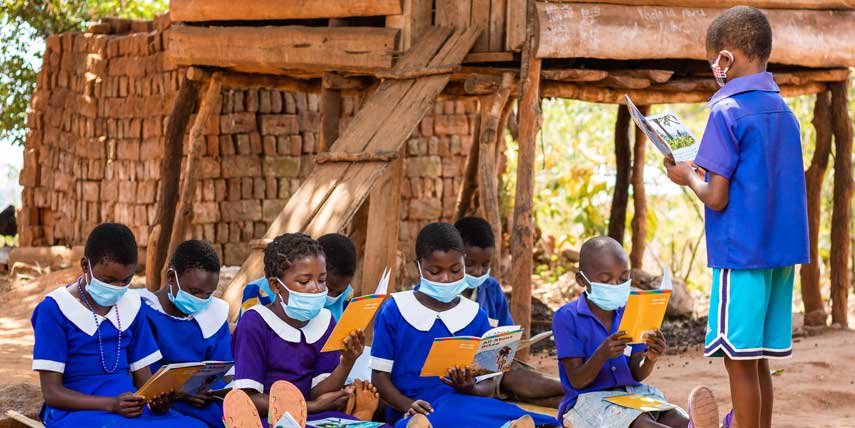
Education is more than just a stack of textbooks or a diploma on the wall—it’s a transformative journey that shapes who you are and how you navigate the world. From my own experience, I remember sitting in a high school history class, half-dozing through a lecture on ancient civilizations, only to realize years later how those lessons sparked a curiosity that led me to travel and explore cultures firsthand. Education, whether formal or informal, lays the foundation for personal growth, career success, and a richer life. In this article, we’ll dive into the profound ways education impacts your life, backed by real examples, practical insights, and a sprinkle of humor to keep it human.
Why Education Matters
Education is the key that unlocks doors to opportunity, self-discovery, and empowerment. It’s not just about memorizing facts; it’s about learning how to think, solve problems, and adapt to life’s curveballs. Whether it’s a college degree or a coding bootcamp, education equips you with tools to thrive in a fast-changing world.
Personal Growth Through Learning
Education stretches your mind like a good yoga session stretches your body. It teaches you to question assumptions, embrace new perspectives, and build confidence. I once met a retired nurse who went back to school at 50 to study literature—her joy in discussing Shakespeare was contagious, proving learning keeps you young at heart.
Economic Advantages of Education
A solid education often translates to better job prospects and higher earnings. Studies show that college graduates earn, on average, 56% more than high school graduates over their lifetimes. Education isn’t just a ticket to a paycheck; it’s a ladder to financial stability and the freedom to pursue your passions.
| Education Level | Average Annual Earnings (USD) | Unemployment Rate (2023) |
|---|---|---|
| High School Diploma | $38,000 | 5.2% |
| Bachelor’s Degree | $65,000 | 2.8% |
| Master’s Degree | $80,000 | 2.0% |
Source: U.S. Bureau of Labor Statistics, 2023
Social and Community Impact
Education fosters empathy and civic engagement. It’s no coincidence that educated communities often have lower crime rates and higher volunteerism. When I volunteered at a local literacy program, I saw how teaching adults to read transformed their confidence and strengthened their community ties.
How Education Shapes Your Mind
Learning isn’t just about acing exams; it’s about rewiring your brain to tackle life’s challenges with finesse. Education builds critical thinking, creativity, and resilience—skills that make you unstoppable.
Boosting Critical Thinking Skills
Education teaches you to analyze, question, and reason through complex problems. In my first college debate class, I fumbled through arguments until I learned to dissect ideas logically—a skill I still use when navigating tricky work decisions or even online debates.
Fostering Creativity and Innovation
From art classes to coding workshops, education sparks creativity. Think of Steve Jobs, who credited a calligraphy course for inspiring Apple’s iconic typography. Your next big idea might just come from that “useless” elective you took on a whim.
Building Emotional Resilience
Education isn’t always smooth sailing—failed exams or tough group projects teach you to bounce back. I remember bombing a math test in high school; it stung, but it taught me to seek help, study smarter, and keep pushing forward.
Career Benefits of Education
A good education is like a Swiss Army knife for your career—versatile, reliable, and essential. It opens doors to diverse industries and gives you a competitive edge in a crowded job market.
Access to Better Job Opportunities
Employers value education because it signals discipline and expertise. A friend of mine, a self-taught graphic designer, landed her dream job after completing an online certification—proof that education, formal or not, can pivot your career trajectory.
Higher Earning Potential
The numbers don’t lie: higher education often means higher pay. According to Georgetown University, bachelor’s degree holders earn 84% more over their lifetimes than those without. That’s not just pocket change—it’s a house, a car, or a dream vacation.
Adaptability in a Changing Job Market
With AI and automation reshaping industries, education keeps you agile. Learning new skills, like data analysis or digital marketing, ensures you’re not left behind. I took a free online course in SEO last year, and it’s already helped me boost my blog’s traffic by 30%.
Pros and Cons of Pursuing Higher Education
| Pros | Cons |
|---|---|
| Higher earning potential | Potential student debt |
| Access to diverse career paths | Time commitment |
| Enhanced critical thinking skills | Not all jobs require a degree |
| Networking opportunities | Risk of overqualification |
Education’s Role in Personal Fulfillment
Beyond dollars and degrees, education enriches your life in ways that are harder to quantify but just as meaningful. It’s about discovering your passions, building confidence, and finding purpose.
Discovering Your Passions
Education exposes you to new ideas and interests. I never thought I’d love astronomy until a community college course had me stargazing every weekend. Those moments of discovery can shape your hobbies, relationships, and even your life’s purpose.
Building Confidence and Self-Esteem
Mastering a subject or earning a degree feels like conquering a mountain. When I graduated college, the pride of walking across that stage wasn’t just about the diploma—it was about proving to myself I could do hard things.
Strengthening Relationships
Education teaches communication and empathy, which spill over into your personal life. Group projects, for all their headaches, taught me how to collaborate and resolve conflicts—skills I now use with friends, family, and coworkers.
Where to Get Quality Education
Finding the right educational path depends on your goals, budget, and lifestyle. From traditional universities to online platforms, there’s something for everyone.
Traditional Education Options
Universities and community colleges offer structured learning with hands-on support. Sites like U.S. News Education provide rankings to help you choose reputable institutions tailored to your needs.
Online Learning Platforms
Platforms like Coursera, Udemy, and Khan Academy offer flexible, affordable courses. I learned basic Python on Coursera for $49, and it’s been a game-changer for automating small tasks at work.
Vocational and Trade Schools
For hands-on careers like plumbing or welding, trade schools offer focused training. Check out Trade-Schools.net for programs near you that can lead to high-paying, in-demand jobs.
Best Tools for Lifelong Learning
Education doesn’t stop after graduation—it’s a lifelong pursuit. Here are the best tools to keep your mind sharp and skills fresh.
Top Online Learning Platforms
- Coursera: Offers university-backed courses in everything from AI to psychology.
- Udemy: Affordable, self-paced courses with lifetime access.
- edX: Free and paid courses from top institutions like Harvard and MIT.
- Skillshare: Great for creative skills like photography or graphic design.
Apps for Skill-Building
- Duolingo: Learn a new language in bite-sized lessons.
- Quizlet: Create flashcards for quick, effective study sessions.
- Notion: Organize your learning goals and track progress.
Comparison: Online vs. Traditional Education
| Factor | Online Education | Traditional Education |
|---|---|---|
| Cost | Often cheaper ($0–$500/course) | Higher ($10,000+/year) |
| Flexibility | Study anytime, anywhere | Fixed schedules |
| Interaction | Limited in-person engagement | Face-to-face with peers |
| Access | Global reach | Location-dependent |
People Also Ask (PAA)
How does education improve your life?
Education enhances critical thinking, boosts career opportunities, and fosters personal growth. It equips you with skills to navigate challenges, increases earning potential, and helps you build meaningful connections.
Why is education important for success?
Education provides knowledge, skills, and credentials that open doors to better jobs and financial stability. It also builds resilience and adaptability, key traits for long-term success.
Can education lead to happiness?
Yes! Education fuels self-discovery, confidence, and purpose, all of which contribute to emotional well-being. Learning new things can also spark joy and fulfillment.
What are the social benefits of education?
Educated individuals are more likely to volunteer, vote, and engage in their communities. Education fosters empathy and communication, strengthening social bonds.
FAQ Section
What is the most significant benefit of education?
The biggest benefit is empowerment—education gives you the tools to shape your future, from better career prospects to personal growth and informed decision-making.
How can I access education on a budget?
Explore free platforms like Khan Academy or edX, apply for scholarships, or enroll in community college programs. Many online courses offer financial aid or low-cost options.
Does education guarantee a good job?
No guarantee, but education significantly boosts your chances. It provides skills, credentials, and networks that make you more competitive in the job market.
How does education affect mental health?
Education builds confidence, reduces stress through problem-solving skills, and fosters a sense of purpose. Lifelong learning can also keep your mind sharp and engaged.
Is online education as valuable as traditional education?
Yes, if it’s from a reputable source. Online education offers flexibility and access to cutting-edge skills, though traditional education may provide more networking opportunities.
Final Thoughts
Education is like a trusty backpack for life’s journey—packed with tools, insights, and confidence to tackle whatever comes your way. Whether it’s a degree, a trade skill, or a hobby you picked up on YouTube, every lesson you learn shapes your future. I’ve seen it in my own life: a single course on public speaking turned me from a nervous wreck into someone who can charm a room (or at least not hide under the table). So, invest in yourself, keep learning, and watch how education transforms your life—one curious step at a time.