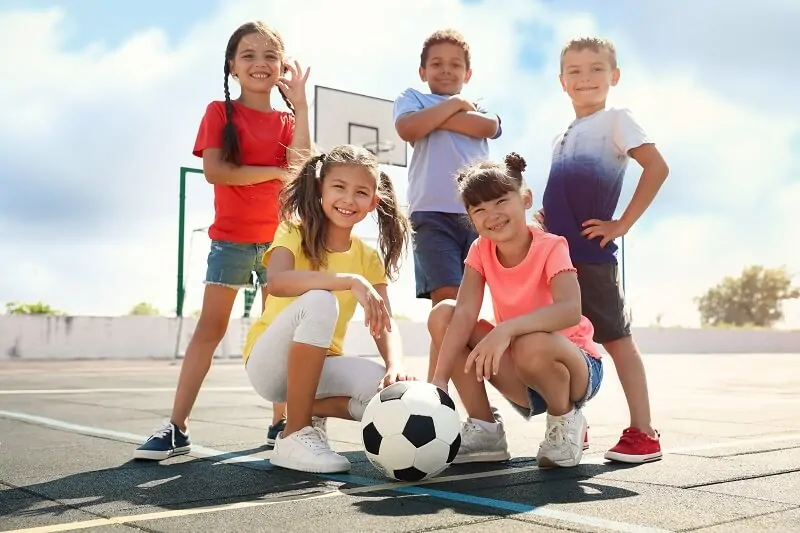
Sports are more than just games; they’re a vibrant thread in the fabric of a student’s life, weaving together physical health, mental resilience, and social bonds. Growing up, I remember the thrill of chasing a soccer ball across a dusty field, the camaraderie of teammates, and the quiet pride of pushing my limits. Those moments shaped me in ways I didn’t fully appreciate until years later. Today, as schools and parents increasingly recognize the value of sports, it’s clear they’re not just about scoring goals or winning medals—they’re about building better humans. In this article, we’ll explore the top 10 reasons why sports are essential for students, backed by research, real-world examples, and a touch of nostalgia to remind us why play matters.
Why Sports Matter in a Student’s Life
Sports offer a unique blend of physical activity, mental growth, and social connection that’s hard to replicate elsewhere. They teach lessons that classrooms alone can’t, like resilience after a loss or the joy of collective victory. From boosting health to sharpening focus, sports are a cornerstone of holistic development. Let’s dive into the top 10 ways they transform students’ lives.
1. Boosts Physical Health and Fitness
Regular sports participation keeps students active, combating the sedentary habits that come with screen-heavy lifestyles. Activities like basketball or swimming build cardiovascular strength, reduce obesity risks, and enhance muscle development. According to the CDC, kids need at least 60 minutes of daily physical activity—sports make this goal fun and achievable. A healthy body sets the stage for a sharper mind and a more energized life.
How Sports Build a Healthy Lifestyle
Engaging in sports from a young age instills lifelong fitness habits. Students who play regularly are less likely to face chronic issues like diabetes or heart disease later in life. It’s not just about running faster—it’s about building a foundation for long-term wellness.
2. Enhances Mental Well-Being
Sports are a natural stress-buster, releasing endorphins that lift mood and reduce anxiety. I recall late afternoons on the track, where the rhythm of my steps melted away exam stress. Studies, like one from the Journal of Clinical Psychology, show physical activity can ease symptoms of depression and boost self-esteem. For students juggling academics and social pressures, sports offer a mental reset.
The Role of Endorphins
Physical activity triggers the release of “feel-good” hormones, creating a sense of calm and accomplishment. This emotional uplift helps students tackle challenges with a clearer, more positive mindset. It’s like a natural therapy session, no couch required.
3. Improves Academic Performance
Contrary to the myth that sports distract from studies, they actually enhance academic success. The discipline and focus learned on the field translate to better study habits. Research shows students who play sports often score higher on tests due to improved concentration and time management. It’s no surprise—organizing practice schedules teaches you to prioritize like a pro.
Discipline Translates to the Classroom
Sports require commitment, whether it’s early morning practices or balancing homework with games. This structure helps students stay organized, making them more efficient learners. It’s a win-win for body and brain.
4. Fosters Teamwork and Collaboration
Team sports like soccer or volleyball teach students how to work together toward a common goal. I remember my basketball team’s huddles, where we strategized and supported each other, win or lose. These experiences build collaboration skills that are invaluable in school projects and future careers. Learning to share responsibilities and celebrate collective success shapes well-rounded individuals.
Real-World Teamwork Benefits
Team sports mirror workplace dynamics, teaching students to communicate effectively and respect diverse perspectives. These skills are critical in today’s collaborative professional environments. Plus, there’s nothing like a team high-five to boost morale.
5. Builds Confidence and Self-Esteem
Scoring a goal or mastering a new move can make a student feel unstoppable. Even small victories, like improving a personal best, foster a sense of achievement. For shy kids, sports provide a safe space to shine, boosting confidence that spills over into other areas of life. It’s amazing how a single cheer from the crowd can make you stand a little taller.
Resilience Through Failure
Sports also teach students to handle setbacks gracefully. Losing a match stings, but it builds resilience and the courage to try again. This grit is a lifelong asset.
6. Develops Discipline and Time Management
Sports demand commitment—showing up for practice, sticking to a training plan, and balancing schoolwork. This teaches students to manage their time effectively, a skill that pays dividends in adulthood. I learned this the hard way when I missed a deadline because of a late-night game, but it taught me to plan better. Discipline learned on the field becomes a habit for life.
Balancing Act
Juggling sports and studies forces students to prioritize tasks and avoid procrastination. It’s like a crash course in adulting, minus the boring parts. This skill helps them excel in academics and beyond.
7. Promotes Social Skills and Friendships
Sports create bonds that last a lifetime. Whether it’s sharing a laugh after a fumble or celebrating a hard-fought win, these moments forge strong friendships. Team sports, in particular, teach empathy, communication, and conflict resolution—skills that make students better friends and future colleagues. It’s hard to feel alone when you’re part of a team.
A Sense of Belonging
Being part of a sports team gives students a community, reducing feelings of isolation. This sense of belonging is especially crucial during the turbulent teen years. It’s like finding your tribe, sweat and all.
8. Encourages Leadership Skills
Sports often put students in leadership roles, whether captaining a team or motivating a struggling teammate. These experiences teach decision-making, responsibility, and how to inspire others. I once saw a quiet classmate transform into a confident captain, rallying our team to victory. Leadership learned on the field translates to classrooms, workplaces, and beyond.
Leading by Example
Sports teach students to lead with empathy and accountability, qualities that shine in any group setting. It’s about stepping up, even when the pressure’s on. These moments shape future leaders.
9. Reduces Stress and Anxiety
In a world of exams and social media pressures, sports offer a healthy escape. Physical activity lowers cortisol levels, helping students manage stress. I remember hitting the tennis court after a tough day, each swing chipping away at my worries. Regular sports participation creates a mental buffer, making students more resilient to life’s challenges.
A Natural Stress Reliever
Unlike scrolling through feeds, sports provide active stress relief that’s both fun and effective. It’s a chance to unplug and focus on the present moment. Who needs meditation when you’ve got a soccer ball?
10. Shapes Character and Ethical Values
Sports teach fairness, respect, and perseverance—values that define character. Following rules, respecting opponents, and handling defeat gracefully build integrity. I’ll never forget my coach’s words after a tough loss: “It’s not about winning; it’s about how you play the game.” These lessons stick with students, shaping them into principled adults.
Lifelong Values
The ethical lessons learned in sports—honesty, respect, and grit—guide students through life’s challenges. They learn to play fair, even when no one’s watching. It’s character-building at its finest.
Comparing Team vs. Individual Sports
| Aspect | Team Sports | Individual Sports |
|---|---|---|
| Examples | Soccer, basketball, volleyball | Swimming, tennis, athletics |
| Social Skills | High—emphasizes teamwork and communication | Moderate—focuses on self-reliance |
| Leadership Opportunities | Strong—captains and strategy roles | Strong—self-motivation and discipline |
| Pressure | Shared among teammates | Solely on the individual |
| Skill Development | Collaboration, coordination | Personal accountability, focus |
Both types of sports offer unique benefits, but the choice depends on a student’s personality and goals. Team sports suit those who thrive in groups, while individual sports appeal to those who enjoy self-driven challenges.
Pros and Cons of Sports in Student Life
Pros:
- Improves physical and mental health
- Builds teamwork, leadership, and discipline
- Enhances academic performance through better focus
- Fosters lifelong friendships and social skills
- Reduces stress and boosts confidence
Cons:
- Risk of injuries if proper precautions aren’t taken
- Time commitment may strain academic schedules
- Pressure to perform can cause stress for some
- Costs for equipment or coaching can be a barrier
Where to Get Involved in Sports
Finding sports opportunities is easier than you think. Schools often offer teams for soccer, basketball, or track—check with your physical education department. Local community centers provide affordable programs, from swimming to martial arts. Websites like Active.com list youth sports leagues near you. For specialized training, consider camps or academies, though costs vary.
Best Tools for Sports Engagement
- Sports Apps: Apps like TeamSnap help manage schedules and team communication.
- Fitness Trackers: Devices like Fitbit track activity levels and motivate students.
- Equipment Stores: Retailers like Decathlon offer affordable gear for beginners.
- Online Training: Platforms like YouTube provide free tutorials for skill-building.
People Also Ask (PAA)
Why are sports important for students?
Sports promote physical health, mental well-being, and social skills, contributing to holistic development. They teach discipline, teamwork, and resilience, preparing students for academic and personal success. Regular participation also reduces stress and boosts confidence.
How do sports improve academic performance?
Sports enhance focus, discipline, and time management, which translate to better study habits. Research shows active students often score higher on tests due to improved cognitive function. It’s a powerful synergy between body and mind.
What are the best sports for students?
Popular choices include soccer, basketball, swimming, and athletics, each offering unique benefits like teamwork or endurance. The best sport depends on a student’s interests and physical abilities. Trying a few helps find the right fit.
Can sports reduce stress in students?
Yes, sports release endorphins, lowering stress and anxiety levels. Physical activity provides a healthy outlet for emotions, helping students feel calmer and more focused. It’s a natural way to recharge.
FAQ Section
Q: How much time should students spend on sports?
A: The CDC recommends at least 60 minutes of daily physical activity. Students can achieve this through school sports, recreational play, or structured programs, balancing it with academics.
Q: Are sports safe for young students?
A: With proper coaching, equipment, and supervision, sports are generally safe. Warm-ups, stretching, and following safety guidelines minimize injury risks. Always consult a coach or doctor if unsure.
Q: Can sports help shy students socialize?
A: Absolutely. Team sports create a supportive environment where shy students can build friendships and confidence. Shared goals and team spirit break down social barriers naturally.
Q: How can parents encourage sports participation?
A: Parents can enroll kids in local leagues, attend games to show support, or play casually at home. Encouraging effort over winning fosters a love for sports without pressure.
Q: Do sports interfere with studies?
A: When managed well, sports enhance studies by improving focus and discipline. Time management is key—students can use planners to balance practice and homework effectively.
Conclusion
Sports are a game-changer for students, offering benefits that ripple through their physical, mental, and social lives. From the rush of a well-timed goal to the quiet strength built through perseverance, these experiences shape character and open doors to a healthier, happier future. Whether it’s joining a school team or picking up a racket for fun, the value of sports is undeniable. So, lace up those sneakers, grab a ball, and discover how sports can transform your life—one game at a time.