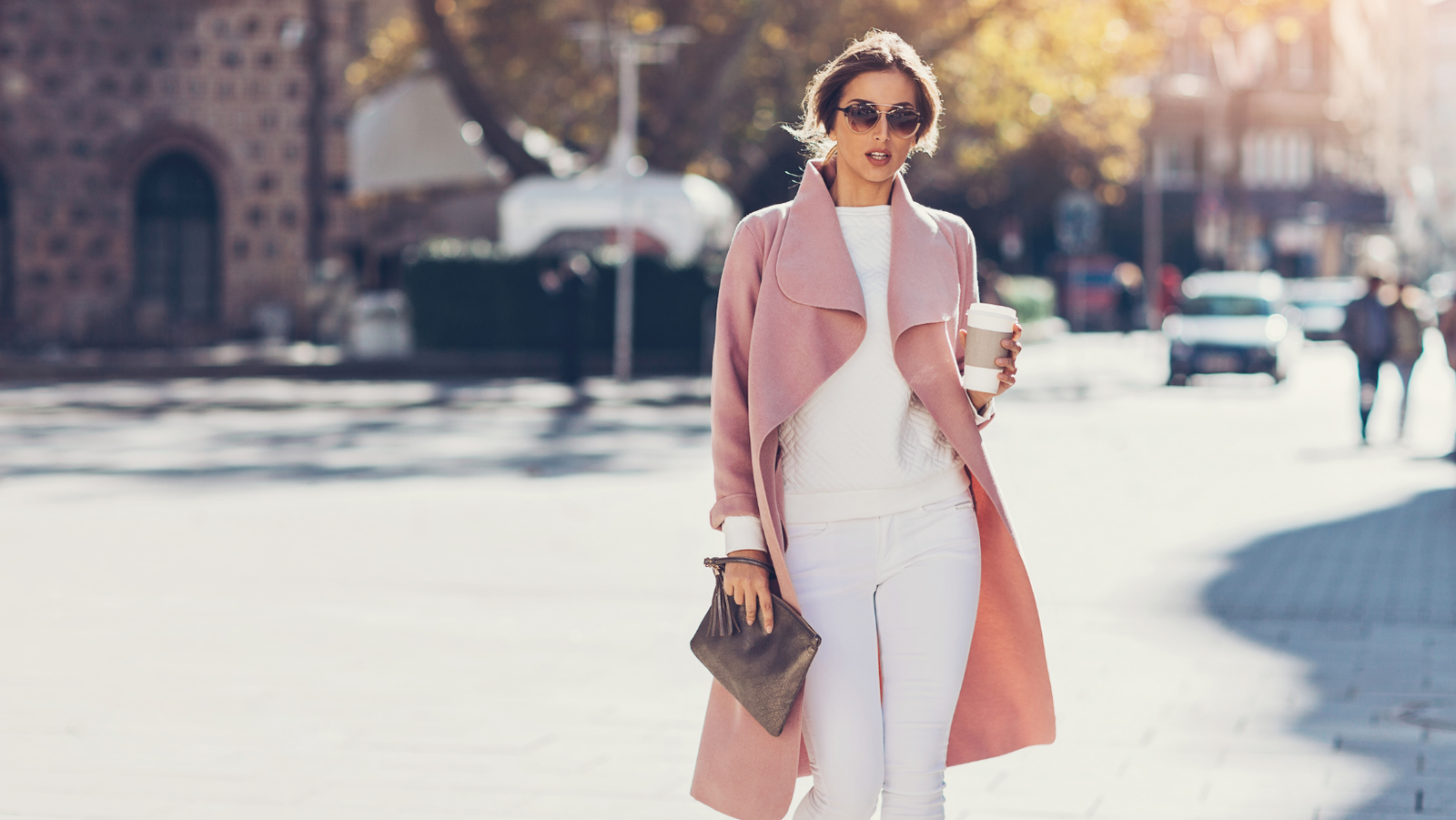
Fashion is more than just clothes—it’s a living, breathing reflection of who we are and the world we live in. From the skinny jeans that ruled the 2000s to the oversized blazers dominating today’s streets, fashion trends shape how we present ourselves and connect with others. But what exactly is a fashion trend, and why does following trendy fashion matter so much? In this article, I’ll dive deep into the world of fashion trends, exploring their origins, their impact, and why they hold such sway over our wardrobes and lives.
What Is a Fashion Trend?
A fashion trend is a collective movement in style—think specific clothing, colors, patterns, or accessories—that gains popularity during a particular time. Rooted in the Old English word “trendan,” meaning “to revolve,” trends are fleeting, often lasting less than a season, and reflect societal shifts, cultural moments, or personal expressions of identity. Unlike timeless fashion styles like punk or preppy, trends are temporary, driven by what’s fresh and exciting.
How Trends Differ from Styles
Trends are not the same as fashion styles. While trends come and go, styles are enduring aesthetics tied to specific subcultures or communities. For example, the goth style, with its black leather and dramatic makeup, is a lasting identity, whereas low-rise jeans were a fleeting trend in the early 2000s. Trends are about what’s “in” right now, while styles reflect deeper, more permanent expressions of self.
The Lifecycle of a Trend
Every trend follows a cycle: it emerges, peaks, and eventually fades. This lifecycle can last a few months or span several seasons, depending on its cultural resonance. For instance, the Y2K trend, with its metallic fabrics and chunky sneakers, has enjoyed a multi-year revival, proving some trends have more staying power than others.
How Are Fashion Trends Born?
Fashion trends don’t just appear out of thin air—they’re sparked by a mix of cultural, social, and industry influences. I remember spotting a pair of platform boots on a celebrity Instagram post last year and, within weeks, seeing them everywhere in my local mall. That’s the magic of how trends spread.
The Role of Influencers and Celebrities
Celebrities and influencers are trendsetting powerhouses. When Zendaya wore a vintage Versace dress to a red-carpet event, it reignited interest in bold animal prints. Social media platforms like Instagram and TikTok amplify these moments, turning a single outfit into a global phenomenon overnight.
Runway Shows and Designers
High-fashion runways, like those at Paris or New York Fashion Week, are where many trends are born. Designers like Chanel or Balenciaga showcase bold ideas—think oversized silhouettes or neon hues—that trickle down to fast-fashion retailers like Zara. These shows set the tone for what’s next in fashion.
Street Style and Subcultures
Sometimes, trends bubble up from the streets. The grunge look of the 90s, with its flannel shirts and ripped jeans, started with Seattle’s music scene before hitting runways. Street style photographers, like the late Bill Cunningham, capture these organic movements, turning everyday outfits into trendsetting moments.
Cultural and Social Shifts
Trends often mirror what’s happening in the world. The rise of athleisure in the 2010s reflected a growing focus on health and casual lifestyles, while sustainable fashion trends today stem from environmental awareness. Fashion becomes a canvas for society’s values and concerns.
Why Trendy Fashion Matters
Trendy fashion isn’t just about looking good—it’s about connection, expression, and even economics. It’s why I felt a little thrill when I finally snagged a pair of cargo pants last season, knowing I was part of a larger cultural moment.
Self-Expression and Identity
Fashion trends let us tell the world who we are without saying a word. Wearing a trendy bucket hat or a vintage-inspired cardigan signals your personality, whether you’re bold, nostalgic, or minimalist. Trends give us a shared language to express individuality while still feeling connected to others.
Building Confidence
There’s something empowering about wearing something “in.” When I wore a bright yellow sweater during the color-blocking trend, I got compliments all day—it boosted my confidence in a way I hadn’t expected. Trends can make you feel current and relevant, like you’re part of the zeitgeist.
Economic Impact
Fashion trends drive a multi-billion-dollar industry. When a new trend emerges, it boosts production, retail sales, and even ancillary industries like beauty and accessories. For example, the rise of hair clips in 2020 led to a surge in accessory sales, showing how trends ripple across markets.
Social Connection
Following trends creates a sense of belonging. When everyone in my office started wearing wide-leg jeans, it sparked conversations and a sense of camaraderie. Trends connect us to others who share our tastes, whether it’s through a TikTok fashion challenge or a local street style scene.
Pros and Cons of Following Fashion Trends
| Pros | Cons |
|---|---|
| Enhances self-expression and creativity | Can be expensive to keep up with fast-changing trends |
| Boosts confidence and social connection | Risk of losing personal style to “fit in” |
| Keeps you relevant in a fast-paced world | May contribute to fast fashion’s environmental impact |
| Inspires innovation and new looks | Trends can feel fleeting, making purchases less sustainable |
Comparison: Trendy Fashion vs. Timeless Style
| Aspect | Trendy Fashion | Timeless Style |
|---|---|---|
| Lifespan | Short-term (months to a season) | Long-term (decades or more) |
| Examples | Low-rise jeans, chunky sneakers | Little black dress, white tee |
| Purpose | Reflects current cultural moments | Builds a versatile, enduring wardrobe |
| Cost | Can be high due to frequent updates | More cost-effective over time |
| Expression | Bold, experimental | Classic, understated |
How to Spot and Follow Fashion Trends
Keeping up with trends can feel overwhelming, but it’s easier than you think. Here are some practical ways to stay in the loop:
- Follow Fashion Influencers: Platforms like Instagram and TikTok are goldmines for spotting trends. Creators like @emilyinparis or @streetstylevibes showcase what’s hot.
- Watch Runway Shows: Check out highlights from Fashion Weeks on Vogue or WGSN for high-fashion inspiration.
- Browse Retail Sites: Fast-fashion brands like Zara and H&M quickly adapt runway trends into affordable pieces.
- Engage with Street Style: Visit trendy neighborhoods or follow street style blogs to see what real people are wearing.
- Use Trend Forecasting Tools: Platforms like Fashion Snoops or Peclers Paris predict upcoming trends for professionals and enthusiasts alike.
Where to Get Trendy Fashion
- Fast-Fashion Retailers: Zara, H&M, and ASOS offer affordable, trendy pieces that align with current styles.
- Luxury Brands: For high-end trends, check out Gucci, Prada, or Balenciaga via sites like Net-a-Porter.
- Thrift Stores: Places like Goodwill or Depop are perfect for finding unique, trendy pieces on a budget.
- Online Marketplaces: Etsy and Poshmark offer vintage and Y2K-inspired items that align with current trends.
Best Tools for Tracking Trends
- WGSN: A professional trend forecasting platform for designers and marketers.
- Pinterest: Great for visual inspiration and trend boards.
- Instagram: Follow hashtags like #OOTD or #FashionTrends2025 for real-time updates.
- Google Trends: Analyze search data to see what styles are gaining traction.
The Cultural and Social Impact of Trends
Trends do more than change our wardrobes—they shape society. The rise of gender-neutral fashion, for instance, reflects evolving norms around identity and inclusivity. Similarly, the sustainable fashion trend, with brands like Patagonia leading the charge, responds to growing environmental concerns.
Trends as a Mirror of Society
Every trend tells a story. The 1920s flapper dresses symbolized women’s liberation, while today’s oversized clothing reflects a desire for comfort and individuality. By wearing trends, we participate in a larger cultural narrative.
The Role of Social Media
Social media has supercharged the trend cycle. A viral TikTok video can turn a niche accessory, like claw clips, into a must-have item within days. Platforms like Instagram also democratize fashion, letting everyday people become trendsetters.
The Sustainability Question
While trendy fashion is exciting, it’s not without flaws. Fast fashion, which fuels many trends, contributes to environmental harm. Producing 100 billion garments annually, the industry accounts for 10% of global carbon emissions. Choosing sustainable brands or thrifting trendy pieces can help balance style with responsibility.
How to Follow Trends Sustainably
- Shop Secondhand: Platforms like ThredUp or local thrift stores offer trendy items without the environmental cost.
- Invest in Quality: Opt for durable, versatile pieces that can adapt to multiple trends.
- Support Ethical Brands: Brands like Everlane and Reformation prioritize sustainability without sacrificing style.
People Also Ask (PAA)
What makes a fashion trend popular?
A trend becomes popular when it resonates with cultural, social, or aesthetic shifts. Influencers, celebrities, and runway shows amplify these styles, while social media spreads them globally.
How can I stay updated on fashion trends?
Follow fashion influencers on Instagram or TikTok, browse retail sites like Zara, and check trend forecasting platforms like WGSN. Street style blogs and Fashion Week highlights are also great sources.
Are fashion trends important for everyone?
Not everyone needs to follow trends, but they offer a way to express individuality and stay connected to cultural moments. They’re especially important for those in creative or social industries.
Why do fashion trends change so fast?
Trends change quickly due to social media’s speed, fast-fashion production cycles, and consumer demand for novelty. Cultural shifts and global events also accelerate the pace.
FAQ Section
Q: How do I know if a trend suits me?
A: Try trends that align with your personal style and body type. Experiment with small accessories, like a trendy scarf, before committing to bold pieces like statement jackets.
Q: Are trends only for younger people?
A: Not at all! Trends are for anyone who wants to express themselves. Older generations can adapt trends, like pairing a trendy color with classic pieces, to suit their style.
Q: Can I follow trends on a budget?
A: Absolutely. Shop at thrift stores, use platforms like Depop, or wait for sales at retailers like H&M. Mixing trendy items with timeless pieces stretches your budget.
Q: How do trends affect the environment?
A: Fast fashion trends contribute to waste and emissions. Choosing sustainable brands or secondhand clothing helps reduce your environmental footprint while staying stylish.
Q: What’s the difference between a trend and a fad?
A: A trend has staying power, often lasting a season or more, while a fad is short-lived, like jelly sandals in the 2000s. Trends evolve; fads disappear quickly.
Conclusion
Fashion trends are more than just fleeting styles—they’re a dynamic reflection of our culture, values, and aspirations. From the runways of Paris to the streets of your hometown, trends shape how we express ourselves and connect with others. While they can be expensive or environmentally taxing, following trends strategically—through thrifting, sustainable brands, or timeless adaptations—lets you stay stylish without sacrificing your values. So, next time you spot a new trend, whether it’s a bold color or a nostalgic Y2K vibe, embrace it as a chance to tell your story and join the global fashion conversation.